


IM7c
Compact potentiostat / galvanostat with an integrated frequency response analyser (FRA) — precision-engineered for benchtop electrochemistry across the full frequency and current range.
Compact precision electrochemistry for AC and DC measurements
The IM7c is a compact, laboratory-grade potentiostat / galvanostat with an integrated frequency response analyser (FRA), delivering full electrochemical capability in a space-efficient form factor. In potentiostatic mode, the instrument controls the potential of the working electrode relative to a reference electrode while recording the current flowing through the counter electrode. In galvanostatic mode, it applies a defined current and measures the resulting voltage response. This dual-mode capability makes the IM7c equally suited to both time-domain techniques and frequency-domain experiments such as electrochemical impedance spectroscopy (EIS).
Key capabilities:
- EIS frequency range: 10 µHz to 5 MHz — covering slow diffusion phenomena through to high-frequency interface dynamics
- Current capability: up to ±2 A for low-impedance cells and high-current applications
- Compliance voltage: ±14 V with software-selectable low-noise mode for noise-sensitive environments
- Measurement resolution: 32-bit DC and 24-bit AC (HDP technology) across 12 current ranges for exceptional accuracy
- Input impedance: >10 TΩ ‖ 5 pF for reliable measurements on resistive and passivated samples
- Minimum measurable current: ±125 fA, enabling ultra-sensitive work on thin films, microelectrodes, and passive layers
- Switchable floating / grounded modes to suit corrosion cells, grounded test stands, and noise-critical environments
Compatibility and integration:
The IM7c supports standard 2-, 3-, and 4-terminal (Kelvin) cell configurations, connecting directly to electrochemical cells, battery test fixtures, corrosion cells, and small-volume lab setups. It operates via the intuitive Zahner Lab software or through the zahner_link API, which communicates using WebSocket connections and structured JSON objects. A C++ core with Python bindings means the IM7c integrates cleanly into existing Python-based automation frameworks — suitable for multi-step experiments, long-duration durability tests, and high-throughput screening routines.
Typical applications:
- Battery research: charge-transfer kinetics, SEI characterisation, equivalent circuit modelling, impedance vs SOC/SOH
- Corrosion and coatings: polarisation methods, inhibitor screening, coating barrier evaluation (EIS)
- Electrocatalysis and sensors: reaction mechanism studies, stability assessment, impedance-based diagnostics
- Fuel cells and electrolysers (R&D scale): dynamic impedance measurement on single cells and small assemblies
- Photoelectrochemistry: IMPS, IMVS, and CLV measurements when coupled with CIMPS accessories
Why ScienceGears:
ScienceGears supports Australian and New Zealand researchers with instrument selection advice, application-focused onboarding, and integration with related product categories — including electrochemical cells, spectroelectrochemistry setups (e.g., Raman-SEC workflows), and energy test stations — so the IM7c is deployed correctly for publishable, reproducible results.
Technical Specifications
Precision engineering for accurate measurements
| Voltage Scan Range | ±14 V (software-switchable low-noise mode available) |
|---|---|
| Max Current | ±125 fA |
| EIS Frequency Range | 10 µHz to 5 MHz |
| Cell connection options | 2-, 3-, or 4-terminal (Kelvin) |
| Interface | USB 2.0 |
| Dimensions | 160 × 255 × 385 mm (H × W × D) |
| Weight | 8 kg |
| Power supply | 100–230 VAC, 50–60 Hz |
| Operating environment | +10 °C to +30 °C, <60% humidity |
| Input impedance | >10 TΩ ∥ 5 pF |
| Bandwidth | DC to 6 MHz |
| Harmonic rejection | >60 dB at half full scale |
| Min Measurable Current | ±125 fA (corrected from Zahner data) |
| AC Resolution | 24-bit (HDP technology) |
Methods/Techniques
Want to learn more about these techniques?
Check out our Introduction to Electrochemical Techniques blog for an in-depth overview of their principles and applications.
Resources & Downloads
Everything you need to get started
Zahner IM7c Data Sheet
IM7C
Complete characterization of 3-electrode cell
Complete characterization of 3-electrode cell
EIS measurement during polarization (Part – I)
EIS measurement during polarization (Part – I)
EIS measurement during polarization (Part – II)>
EIS measurement during polarization (Part – II)>
EIS measurement during polarization (Part – III)>
EIS measurement during polarization (Part – III)>
Constant phase element: Calculating equivalent capacitance
Constant phase element: Calculating equivalent capacitance
Intelligent multi-sine EIS measurement
Intelligent multi-sine EIS measurement

Electrochemical Impedance Spectroscopy (EIS): Core Concepts for Confident Understanding
Squidstat - Admiral
Publications
Research powered by Squidstat technology
Admiral Instruments
Admiral Instruments 1
Admiral Instruments 2
Admiral Instruments 3
Admiral Instruments 4
Admiral Instruments 5
Admiral Instruments 6
Admiral Instruments 7
Customer Reviews
Related Product
Explore our precision instruments designed for electrochemical research and energy applications
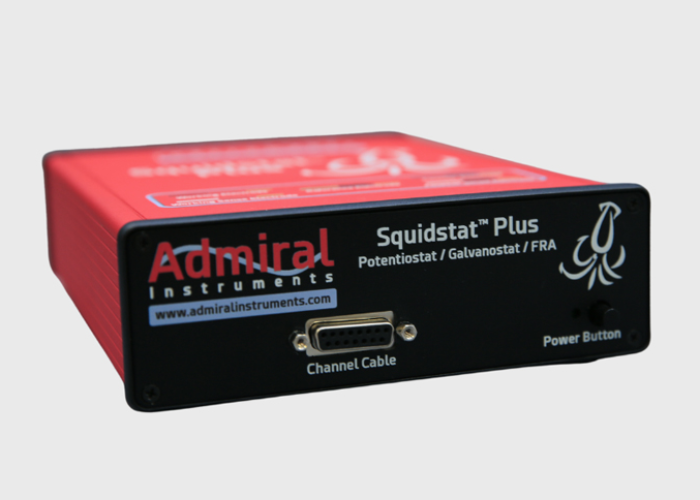
Admiral Instruments Squidstat Plus Potentiostat/Galvanostat (±1 A) with EIS
- Voltage Scan Range: ±10 V
- Max Current: ±1 A
- EIS Frequency Range: 10 µHz - 2 MHz
- Best Current Accuracy: 1 nA
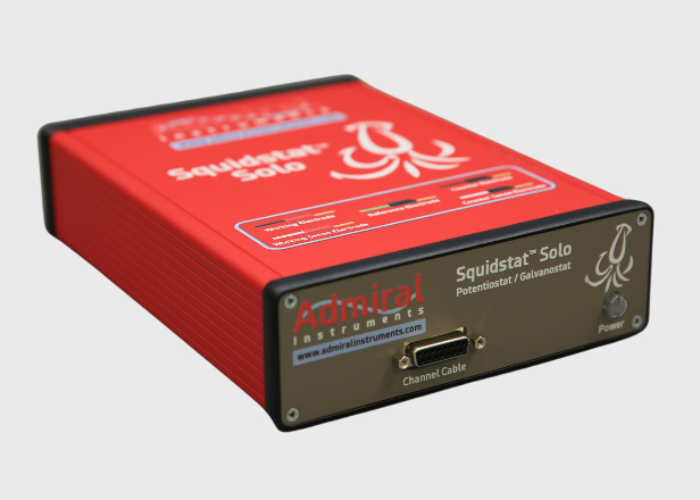
Squidstat Solo Single-Channel Potentiostat/Galvanostat
- Voltage Scan Range: ±10 V
- Max Current: ±100 mA
- Best Current Accuracy : 1 nA
- Channels Per Unit: 1

Admiral Instruments Squidstat Penta Potentiostat/Galvanostat with FRA (EIS to 2 MHz)
- Voltage Scan Range: ±10 V
- Max Current: ±5 A
- EIS Frequency Range: 10 µHz - 2 MHz
- Best Current Accuracy: 1 nA

Squidstat Decka Potentiostat/Galvanostat with FRA (±10 A, 2 MHz EIS)
- Voltage Scan Range: ±10 V
- Max Current: ±10 A
- EIS Frequency Range: 10 µHz - 2 MHz
- Best Current Accuracy: 1 nA
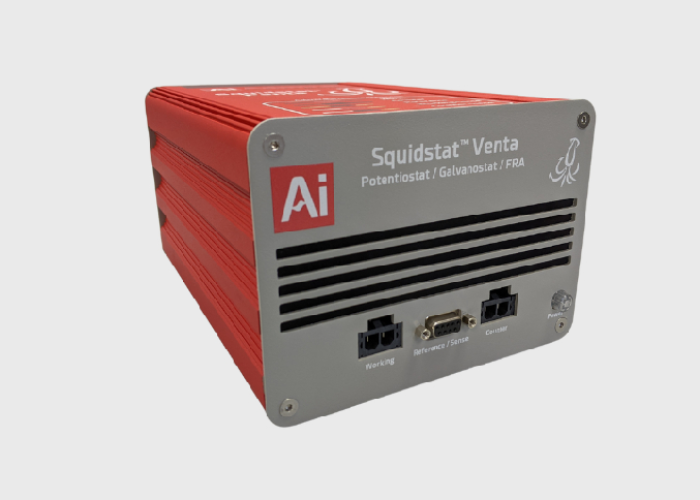
Squidstat Venta High-Current Potentiostat/Galvanostat (±20 A) with 2 MHz EIS
- Voltage Scan Range: ±6 V
- Max Current: ±20 A
- EIS Frequency Range: 10 µHz - 2 MHz
- Best Current Accuracy: 1 nA
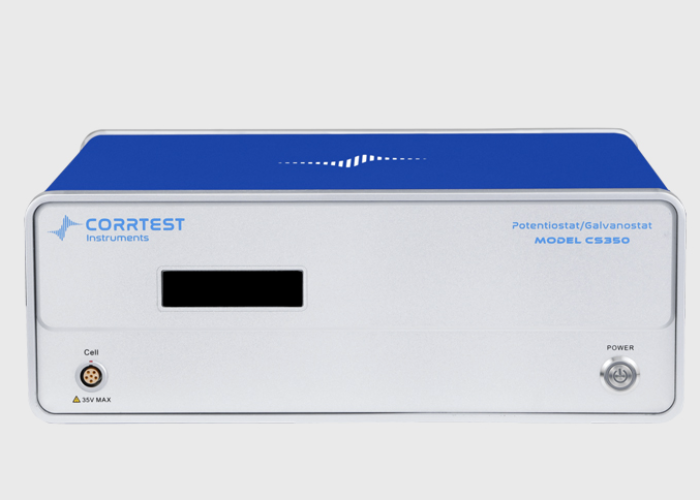
CS350M
- Potential Range: ±10 V (customizable to ±12 V)
- Current Range: ±2 A (10 programmable ranges)
- EIS Frequency Range: 10 µHz to 1 MHz
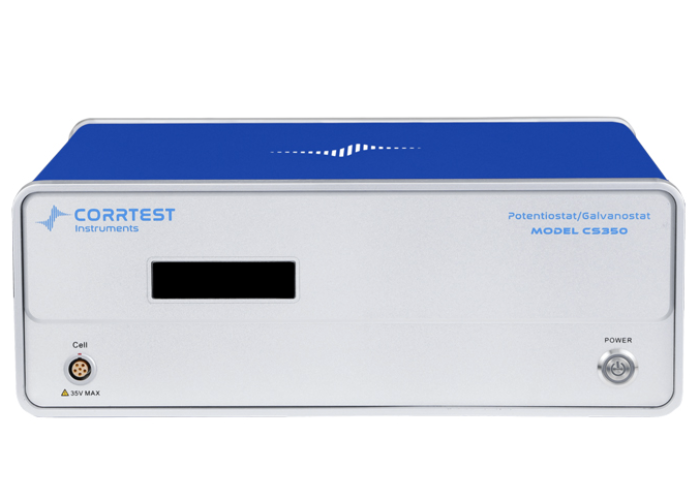
CS310M Single-Channel Potentiostat/Galvanostat with EIS (Electrochemical Workstation)
- Potential range: ±10 V (customizable to ±12 V)
- Current range: ±2 A (10 programmable ranges)
- EIS frequency range: 10 µHz – 1 MHz
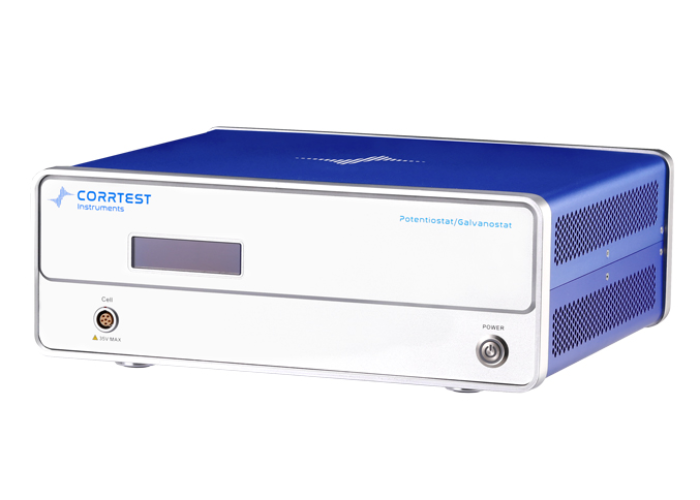
CS300M Potentiostat/Galvanostat (Without EIS) – Single-Channel Electrochemical Workstation
- Potential control range: ±10 V (customizable to ±12 V)
- Current control range: ±2 A (10 programmable ranges)
- EIS frequency range: EIS not supported for this model
Still Wondering About Something?
Explore our FAQ for fast, clear answers to the most common questions—available 24/7.