
Separators & membranes
Separators are porous insulating films that prevent electronic shorting while allowing ionic transport through the electrolyte. Their pore structure, thickness, shutdown behaviour and coating options directly impact safety, wetting, impedance and dendrite tolerance. This subcategory covers polyolefin and ceramic-coated separators and research-grade membranes used in lab-scale battery cell assembly.
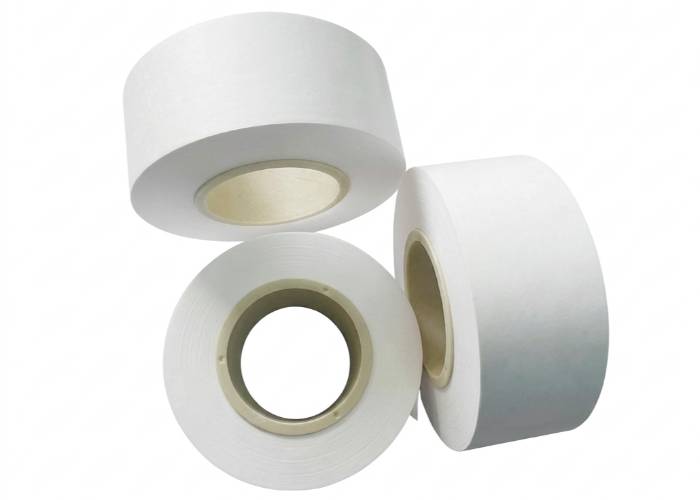
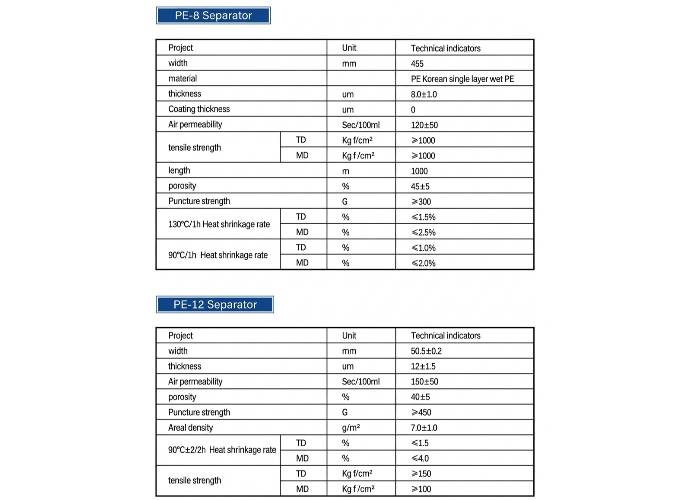
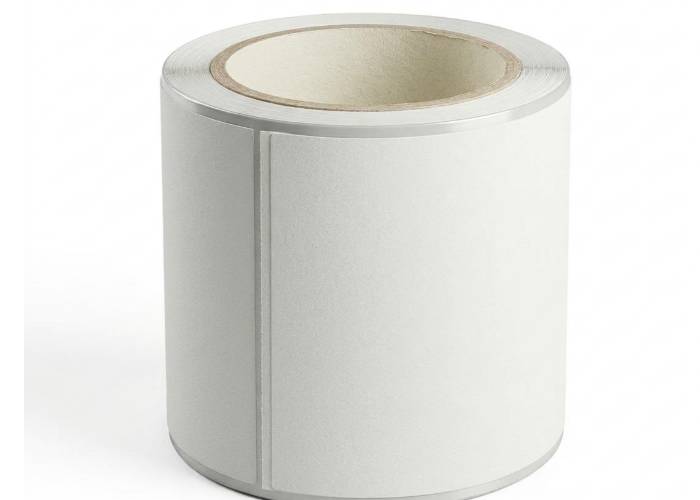

PP/PE Ceramic PVDF Wet Coating Separator for Lithium-sulfur Ion Batteries
Overview
A battery separator sits between anode and cathode, providing electrical insulation while enabling ion transport via electrolyte-filled pores. In lithium-ion cells, separators are commonly PP/PE polyolefin films; variations include multilayer designs with thermal shutdown behaviour and ceramic-coated separators that improve thermal robustness and wettability. Separator selection becomes critical during fast charging, high temperature testing, and when exploring high-capacity anodes or aggressive electrolytes.
What You Can Measure / Control (Key Capabilities)
- Thickness and basis weight (affects energy density and impedance)
- Porosity, pore size distribution and tortuosity (ion transport)
- Electrolyte wettability and uptake
- Thermal shrinkage and shutdown behaviour
- Mechanical strength and puncture resistance
- Ceramic coating compatibility and adhesion
- Dendrite tolerance (system dependent)
- Chemical compatibility with electrolyte additives and solvents
Typical Applications
- Coin cell and pouch cell assembly for lithium-ion R&D
- Fast-charge and high-rate screening where impedance matters
- High-temperature cycling studies and safety evaluation
- Silicon-rich anodes where separator robustness matters
- Sodium-ion separator studies (electrolyte wetting, impedance)
- Academic research on failure modes and internal short risk
Integration & Compatibility
Separator choice must match electrolyte chemistry and electrode architecture. Performance evaluation typically uses /battery-test-systems for formation and cycling, plus /potentiostats-galvanostats for impedance and transport diagnostics. Separator handling (cutting, drying, contamination control) strongly affects reproducibility, especially at thin gauges.
Why Choose ScienceGears (AU & NZ)
ScienceGears supports AU/NZ labs with separator selection guidance based on cell format, electrolyte, temperature window, and safety requirements, and can help you standardise assembly practices to reduce variability in wetting and impedance.
PRODUCT FAMILIES & MODELS
Polyolefin microporous separators (PP/PE; single or multilayer)
Industry-standard separators for lithium-ion R&D; optimised by thickness and porosity.
- PP separator films — baseline stability and mechanical strength
- PE separator films — thermal shutdown behaviour (system dependent)
- PP/PE multilayer separators — combined mechanical and shutdown features
Ceramic-coated separators
For improved thermal robustness and wettability; often used in higher-stress testing.
-
Ceramic-coated PP/PE separators — enhanced shrink resistance and wetting
Research membranes (special cases)
Used in specific studies (e.g., solid-state, hybrid, or transport experiments).
-
Specialty membranes — selected based on electrolyte and experimental aim
HOW TO CHOOSE (MICRO-SELECTION GUIDE)
Choose separator thickness and porosity to balance impedance vs safety margin. For routine coin cell work, a standard PP/PE separator is typically sufficient. For higher temperature or higher-stress conditions, consider ceramic-coated separators for improved dimensional stability and wetting. If you are testing silicon-rich anodes or high-rate protocols, prioritise puncture resistance and consistent electrolyte uptake. Always match separator choice to your electrolyte solvent system to avoid wetting artefacts.
FAQs
Q1: What does a separator do in a battery?
A separator prevents the anode and cathode from touching (avoiding an internal short) while allowing ions to move through electrolyte-filled pores. The separator does not conduct electrons. Its pore structure and thickness strongly affect impedance, rate performance and wetting consistency, while thermal behaviour influences safety under abuse or high-temperature operation.
Q2: How do I choose separator thickness for my coin cells?
Thinner separators can reduce impedance and improve power, but may reduce mechanical margin and increase sensitivity to handling defects. Thicker separators can be more robust but raise resistance. The best choice depends on electrode loading, electrolyte viscosity/wetting, and your target current density. For fair comparisons, keep separator type constant across experiments.
Q3: What is a ceramic-coated separator used for?
Ceramic coatings improve thermal shrink resistance and can enhance wettability, which helps maintain separation under heat and reduce wetting variability. They’re often selected for higher temperature testing, aggressive cycling protocols, or when electrode materials raise puncture risk. Benefits depend on coating quality, electrolyte compatibility and cell design.
Q4: Does separator choice affect fast-charging?
Yes. Separator impedance and wetting affect overpotential, heat generation and lithium plating risk. Under fast-charge conditions, small changes in transport resistance can change local current distribution. Pair separator optimisation with electrolyte/additive strategy and electrode design, then validate in /battery-test-systems.
Q5: Are there special handling considerations for separators?
Separators are sensitive to contamination, wrinkles and mechanical damage. Store them clean and dry, avoid touching active areas, and use consistent cutting methods. Variability in moisture exposure and handling can create large differences in electrolyte uptake and impedance—especially for thin or highly porous films.
Q6: Do you support separator sourcing in Australia & New Zealand?
Yes. ScienceGears supports local procurement and helps labs choose separator types aligned with electrolyte chemistry and testing conditions, including guidance on standardising cell build procedures for reproducible data.
CLOSING SUMMARY
Separators and membranes often look “simple,” but they strongly influence wetting, impedance, and safety. ScienceGears helps AU/NZ researchers select robust separator options and build repeatable assembly workflows so your results reflect material performance—not build variability.