
Metal Mesh Electrodes
Metal mesh electrodes and current collectors provide a conductive, open-area structure that improves electrolyte access, gas release and current distribution versus flat foils or plates. This subcategory includes nickel mesh substrates plus high-purity platinum and gold mesh options for inert counter electrodes, gas-diffusion architectures, and custom cell builds. Choose by material compatibility, mesh count, geometry, and how the mesh integrates with your cell hardware.
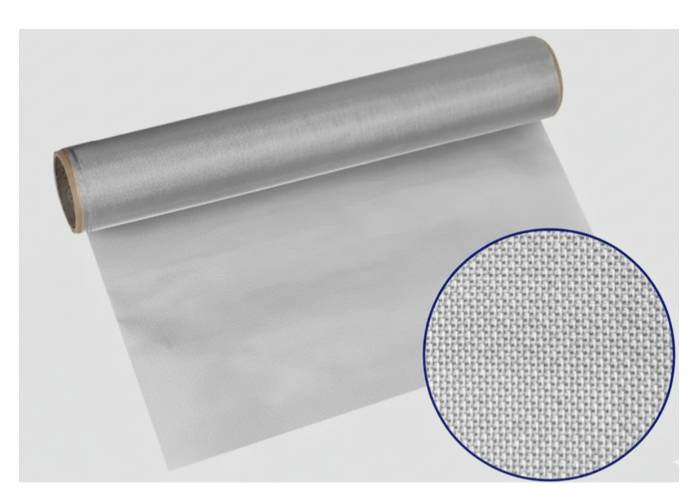
Nickel Mesh

Naked Platinum (Pt) Mesh Electrode (52–200 Mesh) – Custom Cut

Custom Naked Gold Mesh Current Collector (52–200 Mesh)
Overview
Metal mesh electrodes are woven-wire conductive substrates used to carry current while maintaining open pathways for electrolyte transport, gas diffusion, and (in some designs) optical access. Compared with solid foils, the mesh geometry increases effective interfacial area and reduces local current density “hot spots”, helping stabilise polarisation behaviour during demanding electrochemical protocols.
In a typical three-electrode setup, a metal mesh is often used as a counter electrode (or as a current collector behind a porous working electrode). The metal provides low-resistance electron conduction, while the mesh apertures allow ions and dissolved species to reach the active interface with less diffusion limitation. For gas-evolving systems (HER/OER), the open weave also supports more efficient bubble detachment, improving repeatability at higher current densities.
Key Capabilities
- Provide uniform current distribution across porous or large-area electrodes
- Improve electrolyte wetting and mass transport vs flat substrates
- Support gas diffusion and gas bubble release in HER/OER environments
- Enable robust clamping, spot-welding, or lead attachment (application dependent)
- Serve as chemically stable counter electrodes (Pt/Au) for reproducible testing
- Act as current collectors for gas diffusion electrodes and catalyst-coated meshes
- Allow custom cutting/shaping for bespoke electrochemical cell geometries
- Reduce contact resistance variability when integrated correctly with clamps/leads
Typical Applications
- Water electrolysis R&D (PEM/AEM/alkaline), especially gas-evolving counter electrodes
- Fuel cell / electrolyser half-cell studies and durability protocols
- Electrocatalyst screening using mesh as a stable support/current collector
- Gas diffusion electrode (GDE) architectures and porous electrode builds
- Corrosion and materials compatibility studies in aggressive electrolytes
- Spectroelectrochemistry concepts where an open conductive structure is beneficial
Why Choose ScienceGears (AU & NZ)
ScienceGears supports researchers across Australia and New Zealand with practical selection guidance (material compatibility, mesh count trade-offs, handling), custom cut-to-size supply where available, and integration advice to reduce contact-resistance issues and improve measurement repeatability. If you’re building a bespoke cell, we can help align mesh geometry, lead attachment, and hardware constraints with your electrochemical method and electrolyte system.
Product Families & Models
Nickel Mesh (conductive substrate for coated/porous electrodes)
Nickel mesh is a robust, high-conductivity substrate used as a current collector or structural support for catalyst layers and porous electrodes. It’s commonly chosen for alkaline-compatible workflows, gas diffusion builds, and general electrochemical prototyping where mechanical durability and easy cutting/shaping are important.
-
Nickel Mesh — practical, general-purpose mesh substrate for electrochemical, catalytic and battery electrode assemblies
→ View model details: https://www.sciencegears.com.au/nickel-mesh
Naked Platinum (Pt) Mesh Electrode (inert counter electrode; custom cut)
Platinum mesh is a high-purity noble-metal option used when chemical stability and a wide usable potential window are critical. The mesh geometry increases effective area and supports stable behaviour in gas-evolving and higher-current experiments, making it a reliable counter electrode choice for rigorous electrochemistry.
-
Naked Platinum (Pt) Mesh Electrode (52–200 Mesh) – Custom Cut — inert, reproducible counter electrode/current collector for demanding protocols
→ View model details: https://www.sciencegears.com.au/naked-platinum-pt-mesh-electrode
Custom Naked Gold (Au) Mesh Current Collector (5N; corrosion-resistant)
Gold mesh is selected when you need a highly inert, corrosion-resistant conductive network—especially where long-term stability, low contamination risk, and consistent conductivity are priorities. The open weave supports electrolyte/gas access and can be configured by mesh count and custom geometry.
-
Custom Naked Gold Mesh Current Collector (5N, 52–200 Mesh) — chemically stable current collector/counter electrode for demanding aqueous and non-aqueous systems
→ View model details: https://www.sciencegears.com.au/custom-naked-gold-mesh-current-collector
How to Choose (Micro-Selection Guide)
Start with electrolyte compatibility and contamination risk: nickel is practical and robust, while Pt/Au are preferred when you need a more inert counter electrode or long-duration stability. Next choose mesh count (open area vs conductivity): higher mesh counts can improve area and uniformity, while lower counts can be easier to handle and attach leads. Confirm geometry and mounting (custom cut size, tabs/leads, clamping method) to minimise contact resistance. Finally, match the mesh to your current density and gas evolution conditions, where open structure and bubble release can materially affect repeatability.
FAQs
1) What is a metal mesh electrode or current collector?
A metal mesh electrode is a woven-wire conductive structure used either directly as an electrode (often a counter electrode) or as a current collector behind an active layer. The open weave improves electrolyte access and mass transport compared with solid foils, while still providing a low-resistance electron pathway. Meshes are common in gas-evolving systems and porous electrode builds where transport and current distribution are critical.
2) Why would I use mesh instead of a flat foil or plate?
Mesh provides open pathways for electrolyte penetration and gas release, which can reduce diffusion limitations and improve stability during higher-current testing. It also increases effective interfacial area and can reduce local current density hot spots. In practical terms, meshes are often easier to integrate into porous architectures (e.g., catalyst-coated structures, gas diffusion builds) than smooth foils.
3) How do I choose between nickel, platinum and gold mesh?
Choose based on chemical environment and measurement sensitivity. Nickel is a durable, practical substrate for many electrochemical and catalytic builds. Platinum mesh is typically chosen as an inert, reproducible counter electrode across a wide range of conditions. Gold mesh is selected when corrosion resistance, long-term stability, and low contamination risk are priorities—especially in demanding or extended protocols.
4) What does “mesh count” mean, and why does it matter?
Mesh count is the number of openings per inch (e.g., 52–200 mesh). Higher mesh counts generally mean finer structure and different open-area/conductivity trade-offs. In electrochemistry, this affects mass transport, gas bubble detachment, and how uniformly current is distributed. Your ideal mesh depends on current density, gas evolution, and how you plan to attach leads or clamp the material.
5) Can these meshes be custom cut or supplied in specific shapes?
Yes—custom cut formats are commonly used so the mesh fits your cell’s active area, gasket footprint, or electrode holder. Common shapes include squares, strips, and discs. When requesting a custom format, specify the target dimensions, desired mesh count, and how you plan to mount it (clamp, frame, spot-weld lead) so the final geometry supports consistent electrical contact.
6) How do I connect a mesh electrode reliably to minimise contact resistance?
Stable contact is usually achieved by clamping a defined edge/area, spot-welding to a compatible lead (application dependent), or using a framed design that ensures consistent pressure and alignment. Avoid point contacts that can drift over time. If your setup includes EIS or low-current measurements, small changes in contact resistance can be significant—pairing with suitable holders from /electrodes can help.
7) Are there safety or handling considerations for mesh electrodes?
Meshes can have sharp edges after cutting, so use appropriate PPE and deburr/finish edges where needed. For noble metal meshes, avoid aggressive chemical exposures that can damage the surface or introduce contamination. In high-current, gas-evolving testing, ensure adequate venting and appropriate cell safety practices. If you’re operating as part of a broader system, align with your instrument safety guidance (e.g., /potentiostats-galvanostats).
8) Do you provide local support for selection and integration in AU & NZ?
Yes. ScienceGears supports AU/NZ researchers with practical selection guidance (material choice, mesh count, geometry) and integration advice to improve repeatability and reduce contact-related artefacts. If you share your electrolyte, current range, cell type, and mounting constraints, we can recommend an appropriate mesh option and format for your workflow.
Closing Summary
Metal mesh electrodes and current collectors are a practical way to improve transport and current distribution in electrochemistry—especially for porous builds and gas-evolving systems. With nickel mesh for robust substrates and high-purity platinum or gold mesh options for inert, stable performance, you can tailor the geometry to your cell design and measurement needs. ScienceGears supports researchers across AU & NZ with selection and integration guidance to help you get reproducible results faster.