

Custom Naked Gold Mesh Current Collector (52–200 Mesh)
Custom Naked Gold Mesh Current Collector (5N, 52–200 Mesh)
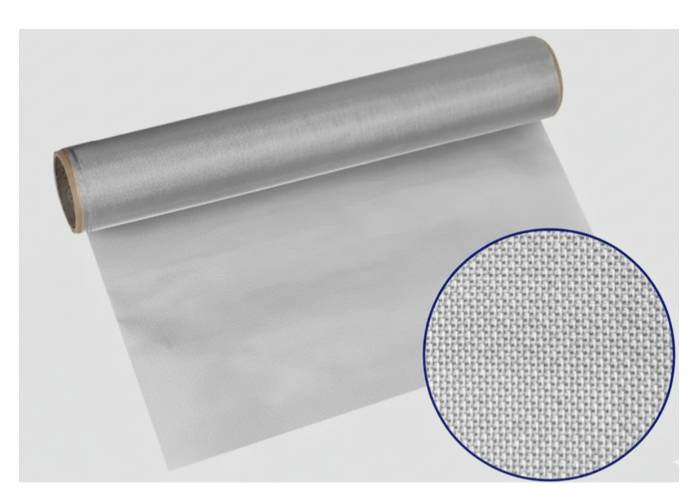
A naked gold mesh is a high-purity, chemically inert, woven current collector designed for demanding electrochemistry where stable conductivity and corrosion resistance are essential. With 5N (99.999%) Au purity and configurable mesh counts (52, 60, 80, 100, and 200 mesh), this material provides reproducible electrical contact, uniform current distribution, and excellent long-term stability in both aqueous and non-aqueous environments.
Working Principle
The woven structure forms a conductive network that collects and distributes electrons across an electrode/electrolyte interface while allowing electrolyte, gas, and/or light transmission through the open apertures. This makes gold mesh particularly useful when minimising polarisation losses, improving mass transport, or enabling in-situ optical probing is important.
Key Specifications & Customisation
- Material: 5N (99.999%) pure gold (Au)
- Mesh counts available: 52, 60, 80, 100, 200 mesh (open area depends on wire diameter and weave)
- Custom options: sheet size/shape, wire diameter, weave style, edge finishing, tabs/leads, and frame mounting on request
- Surface: “naked” (uncoated) metallic gold for direct electrochemical contact
Compatibility
- Works with standard electrochemical cells as a counter electrode or current collector
- Suitable for fuel cell / electrolyser test fixtures (including high-temperature or humid environments where corrosion resistance matters)
- Can be integrated into spectroelectrochemical cells as a semi-transparent conductive electrode depending on mesh/open area
- Pairs well with potentiostats, battery cyclers, and in-situ Raman/UV–Vis spectroelectrochemistry setups
Typical Applications
- Counter electrodes for rigorous electrochemical testing
- Current collectors for gas diffusion electrodes and porous architectures
- SOFC/SOEC component testing, PEM-related R&D, and corrosion studies
- In-situ optical electrochemistry requiring a conductive, open structure
Why choose ScienceGears
We support mesh selection (open area vs. conductivity trade-offs), custom formats for your cell hardware, and practical integration advice for electrochemistry and in-situ characterisation workflows.
Customer Reviews
Related Product
Explore our precision instruments designed for electrochemical research and energy applications

Still Wondering About Something?
Explore our FAQ for fast, clear answers to the most common questions—available 24/7.