

Naked Platinum (Pt) Mesh Electrode (52–200 Mesh) – Custom Cut
Naked Platinum Mesh Electrode (52–200 Mesh) – Custom Cut
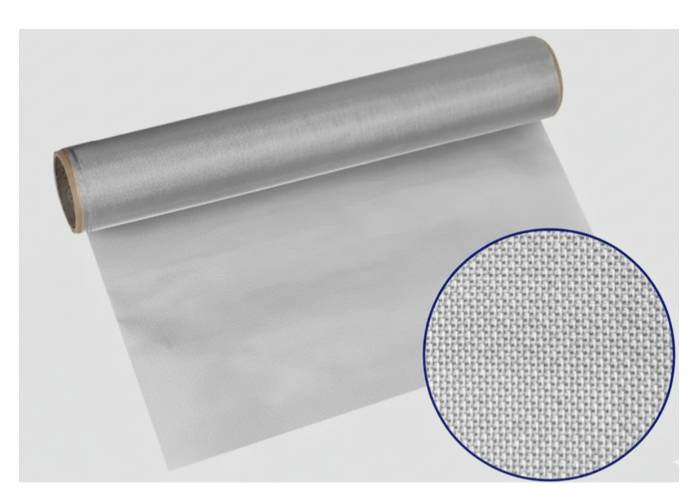
Naked platinum (Pt) mesh is a high-purity, woven-wire electrode material used as a chemically stable, high-conductivity counter electrode or current collector in advanced electrochemistry. The mesh architecture increases effective surface area and promotes uniform current distribution compared with flat foil, making it ideal for gas-evolving and high-current-density experiments such as water electrolysis.
Working Principle
In an electrochemical cell, the Pt mesh typically serves as a counter electrode (or sometimes a robust current collector). Its noble-metal surface enables fast electron transfer while resisting corrosion across a wide electrochemical window. The open weave improves electrolyte access, reduces concentration polarisation near the electrode, and allows gas bubbles (H₂/O₂) to detach more readily, supporting stable polarisation behaviour at elevated currents.
Key Specifications (Customisable)
- Material: Platinum (Pt), high purity (commonly 99.9–99.99%)
- Mesh options: 52, 80, 100, 200 mesh (mesh = openings per inch)
- Construction: Woven wire cloth; plain weave commonly available
- Cut formats: Custom shapes and sizes (squares, strips, discs) on request
- Typical integration: Spot-weld/clamp to Pt wire, nickel wire, or suitable current lead (application dependent)
Compatibility & Handling Notes
- Compatible with most aqueous acids and alkalis used in electrochemistry and electrolyser testing.
- Avoid aggressive Pt-dissolving media (e.g., aqua regia) and take care in chloride-containing electrolytes at high anodic potentials where Pt dissolution/complexation can increase.
Typical Applications
- Water electrolysis (PEM/AEM/alkaline research cells)
- Fuel cell and electrolyser half-cell testing
- Electrocatalyst screening and durability protocols
- Photoelectrochemistry (stable counter electrode with low contamination risk)
- Sensors and general electrochemical testing as a reproducible inert electrode
Why Source Through ScienceGears
ScienceGears supports researchers across Australia and New Zealand with application-matched mesh selection (surface area vs flow/gas release), custom cut-to-size supply, and system-level compatibility with related equipment such as potentiostats, electrochemical cells, and energy test stations.
Resources & Downloads
Everything you need to get started
Electrochemical Impedance Spectroscopy (EIS): Core Concepts for Confident Understanding
Squidstat - Admiral
Customer Reviews
Related Product
Explore our precision instruments designed for electrochemical research and energy applications

Still Wondering About Something?
Explore our FAQ for fast, clear answers to the most common questions—available 24/7.