
Power Meters & Power Analysis
Power meters and power analysers measure voltage, current, real power, apparent power, power factor, frequency, energy and harmonic behaviour. They are used in R&D, quality control, energy-efficiency testing and power-electronics validation where accurate electrical measurement is essential for design, reporting and compliance-style evaluation.

Digital Power Meters
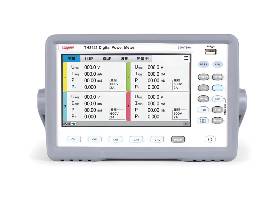
Multi-Channel Power Analysers
Overview
Power meters and power analysers are measurement instruments used to quantify electrical behaviour in AC, DC and mixed power systems. They provide accurate measurements of voltage, current, power, frequency, power factor, energy consumption and, in advanced models, harmonic behaviour and waveform-related parameters.
These instruments are essential when testing power supplies, chargers, adapters, inverters, appliances, motors, batteries, converters, LED drivers and renewable-energy systems. While a standard multimeter may measure voltage or current, a power meter provides a more complete view of how electrical energy is converted, consumed or lost within a system.
In R&D, power analysis helps engineers improve efficiency, reduce losses and understand dynamic power behaviour. In quality control, it supports repeatable product validation, production screening, energy-consumption reporting and troubleshooting. Multi-channel power analysers are especially useful for three-phase systems, inverter testing, motor-drive studies and input/output efficiency measurements.
Key Features
- Measurement of voltage, current, real power, apparent power and energy.
- Power factor and frequency measurement for AC and mixed systems.
- Harmonic analysis options for waveform distortion and power-quality studies.
- Single-channel and multi-channel configurations for different test needs.
- Useful for efficiency testing of converters, chargers, inverters and power modules.
- Supports R&D, quality control, production testing and energy-consumption studies.
- Can be combined with power supplies, electronic loads and AC sources for complete test setups.
Applications
Power meters and analysers are used for efficiency testing, charger validation, inverter studies, appliance testing, standby power measurement, harmonic analysis, motor-drive testing, renewable-energy systems, power-conversion research and quality-control reporting.
Integration & Compatibility
Power meters can be integrated with programmable AC sources, DC power supplies, electronic loads, bidirectional DC systems, oscilloscopes, data loggers and automated test platforms. In ScienceGears workflows, they support power-electronics, battery, energy, fuel-cell, electrolyser and production-test applications.
Why Choose ScienceGears
ScienceGears can help customers choose suitable power meters based on channel count, accuracy, bandwidth, current range, voltage range, harmonic analysis capability, AC/DC measurement needs and integration requirements. This helps ensure the selected system provides meaningful data for the intended test workflow.
FAQs
Q1. What does a power meter measure?
A power meter measures electrical parameters such as voltage, current, real power, apparent power, frequency, power factor and energy. Advanced models may also support harmonic analysis and waveform-related measurements. These functions help engineers understand how efficiently a device converts or consumes electrical energy.
Q2. How is a power meter different from a multimeter?
A multimeter is useful for general voltage, current and resistance measurements. A power meter is designed specifically for power and energy measurement, including real power, apparent power, power factor and energy consumption. It provides more complete information for power-electronics, efficiency and product-validation testing.
Q3. When do I need harmonic analysis?
Harmonic analysis is useful when testing AC-powered equipment, inverters, chargers, motor drives or switching power supplies. It helps identify waveform distortion, power-quality issues and unwanted harmonic content. This is important for efficiency studies, troubleshooting and pre-compliance style evaluation of electrical and electronic devices.
Q4. Why use a multi-channel power analyser?
A multi-channel power analyser allows several voltage/current channels to be measured together. This is useful for three-phase systems, inverter testing, motor-drive studies and input/output efficiency measurements. It helps engineers compare power flow across different stages of a system in a synchronised measurement workflow.
Q5. Can ScienceGears help select a power meter?
Yes. ScienceGears can help select a power meter or analyser based on voltage range, current range, channel count, accuracy, bandwidth, AC/DC measurement, harmonic analysis and automation needs. This is useful for R&D teams, quality-control laboratories and engineers working with complex power systems.
Closing Summary
Power meters and power analysers provide the measurement foundation for electrical efficiency, power-quality and product-validation testing. ScienceGears supports Australian and New Zealand laboratories with power-analysis solutions for electronics, batteries, inverters, renewable-energy systems, clean-energy research and quality-control workflows.