
Hydrogen-coupled reference for realistic electrochemical environments
The reversible hydrogen electrode (RHE) is a hydrogen-coupled reference electrode that defines potential via the hydrogen redox couple, 2H⁺ + 2e⁻ ⇌ H₂, directly in the electrolyte of interest. Because the potential shifts with solution pH, the RHE provides a physically meaningful reference scale for proton-coupled processes such as hydrogen evolution, oxygen evolution, fuel-cell electrocatalysis, corrosion and photoelectrochemistry.
Principle of operation and design
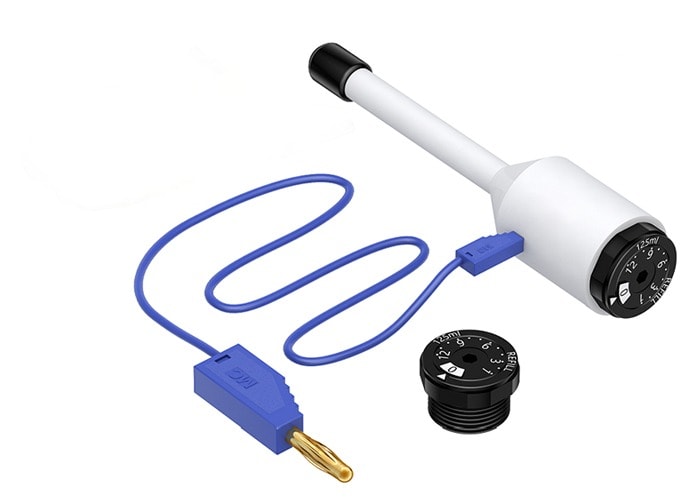
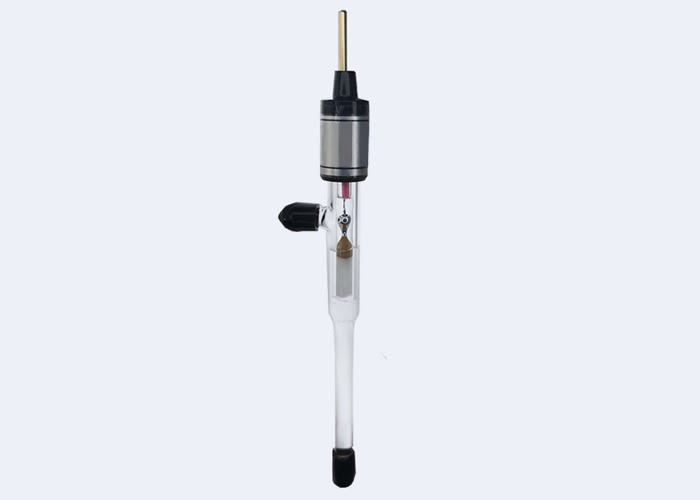
High-purity hydrogen gas is supplied to a platinised platinum electrode with a high real surface area, ensuring fast hydrogen adsorption–desorption kinetics and rapid equilibration between dissolved and gaseous hydrogen. A robust glass body with gas inlet, internal electrolyte and a low-leakage salt-bridge junction provides a stable and reproducible reference potential while minimising contamination of the working electrolyte. When mounted in a dedicated housing or double-junction reference cell, the RHE can be used across acidic, neutral and mildly alkaline media.
Typical design features include:
- Platinised Pt sensing element for fast, near-Nernstian response
- Dedicated H₂ inlet for continuous gas flow or static headspace operation
- Low-leakage junction for reduced drift and junction potentials
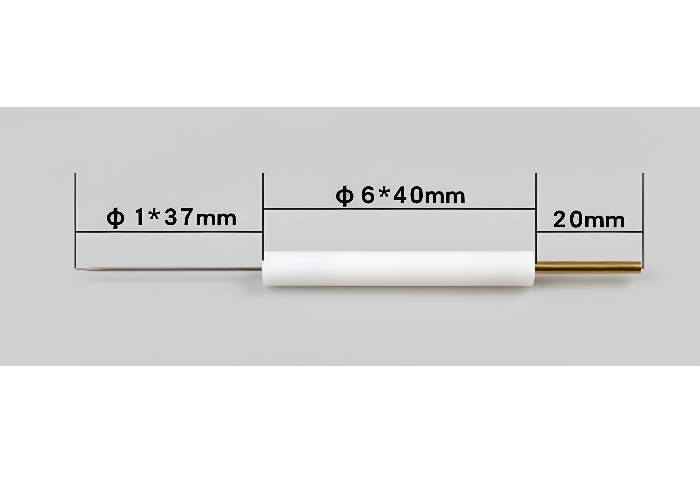
- Compatibility with standard 6–12 mm reference ports in common electrochemical cells
RHE vs SHE
The standard hydrogen electrode (SHE) is defined at unit hydrogen ion activity (approximately pH 0) and 1 bar H₂, with its potential fixed at 0.000 V by convention. The RHE uses the same hydrogen couple but equilibrates directly in the electrolyte under study, so its potential follows E_RHE ≈ E_SHE + 0.059 × pH at 25 °C. This makes the RHE a more convenient, experiment-specific reference for practical electrocatalysis, electrolyser and battery research.
Applications, compatibility and ScienceGears support
The RHE is ideal for benchmarking HER/OER catalysts, water electrolysis and fuel-cell studies, CO₂ reduction, corrosion, batteries and photoelectrochemical devices. It integrates seamlessly with potentiostats/galvanostats, rotating (ring-)disk electrodes, spectroelectrochemical cells and solar fuels workstations. ScienceGears supplies high-quality reversible hydrogen electrodes together with compatible electrochemical cells, potentiostats, CIMPS photoelectrochemical systems, Raman-SEC cells and battery cyclers, backed by local scientific support across Australia and New Zealand.
Resources & Downloads
Everything you need to get started
Reference Electrode FAQ & Maintenance Guide

Electrochemical Impedance Spectroscopy (EIS): Core Concepts for Confident Understanding
Squidstat - Admiral
Customer Reviews
Related Product
Explore our precision instruments designed for electrochemical research and energy applications



Still Wondering About Something?
Explore our FAQ for fast, clear answers to the most common questions—available 24/7.