

Single Cell Electrolyser Test Station (PEM/AEM/Alkaline) – SE300-PEAL / SE500-PEAL (Up to 500 W)
Single Cell Electrolyser Test Station – SE300-PEAL, SE500-PEAL
Overview and working principle
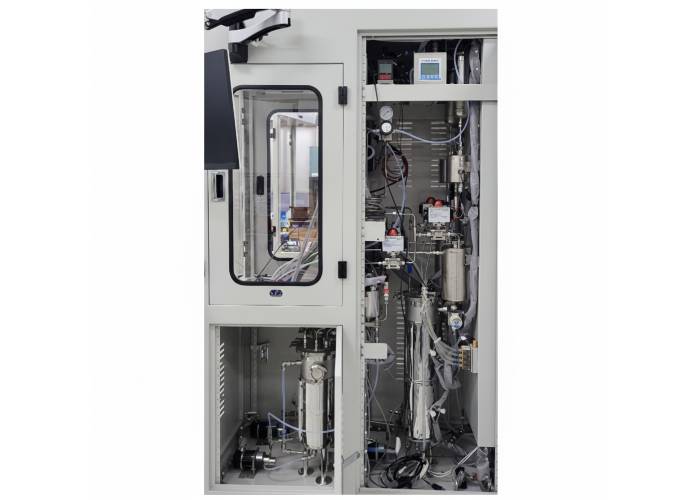
The SE300-PEAL and SE500-PEAL Single Cell Test Stations are compact, laboratory-grade platforms designed to characterise single-cell water electrolysers under controlled operating conditions. The station supports PEM, AEM or alkaline single-cell configurations, enabling researchers to correlate electrochemical performance with water/electrolyte management, temperature, and gas handling. A controlled feed stream is delivered to the cell, while product gases are routed through dedicated outlets for safe handling, measurement and optional downstream analysis. Cell voltage, current and operating parameters are logged to produce reproducible datasets for comparative studies.
Key features and specifications
- Power range: up to 500 W (model dependent)
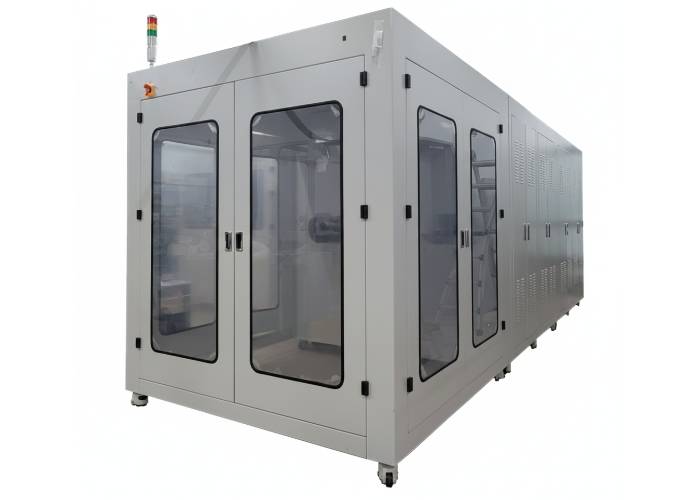
- Footprint: 600 (W) × 1100 (D) × 2000 (H) mm
- Designed for stable operation with laboratory utilities and standard electrolysis workflows
- Integrated framework to support consistent flow control, thermal conditioning, and gas–liquid separation (as required by the test configuration)
- Built to streamline safe experimentation where hydrogen and oxygen management is critical
Compatibility and integration
- Compatible with PEM/AEM/alkaline single cells for catalyst-coated electrodes and MEA-style assemblies
- Interfaces with typical lab DC power supplies/electronic loads and data acquisition
- Can be paired conceptually with potentiostats (for advanced diagnostics such as impedance workflows where applicable) and in-situ spectroscopy set-ups (e.g., Raman-SEC cells) for mechanistic studies
Typical applications
- Catalyst and electrode screening (activity, overpotential trends)
- Polarisation curves and efficiency mapping
- Short- and long-duration durability protocols
- Materials comparison: membranes, porous transport layers, electrodes, coatings
Why choose ScienceGears
ScienceGears supports electrochemistry and hydrogen-energy researchers across Australia and New Zealand with application guidance, configuration support, and complementary instrumentation pathways (electrochemical cells, potentiostats, spectroscopy tools, and energy test stations) to build end-to-end R&D capability.
Technical Specifications
Precision engineering for accurate measurements
Customer Reviews
Related Product
Explore our precision instruments designed for electrochemical research and energy applications


Still Wondering About Something?
Explore our FAQ for fast, clear answers to the most common questions—available 24/7.