
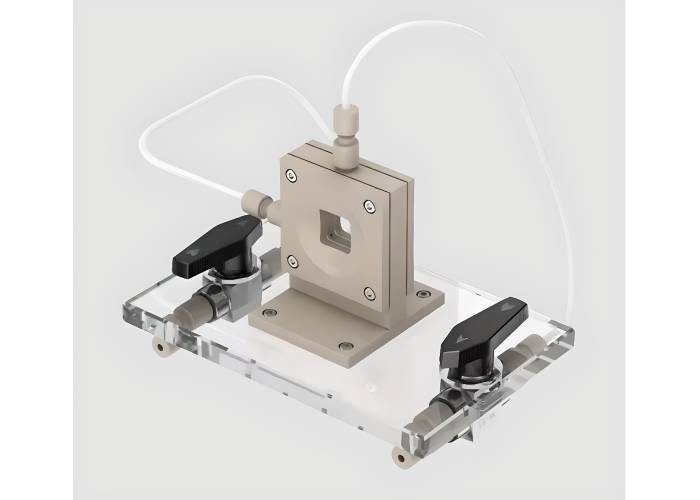
Gas-Phase In-Situ XAS Reaction Cell (XAGC)
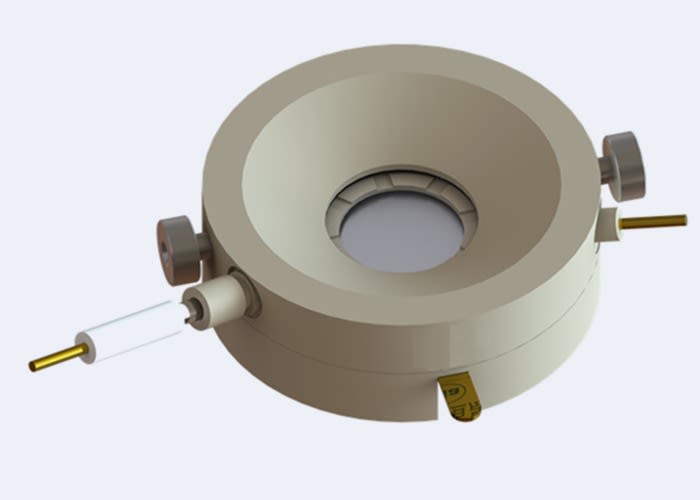
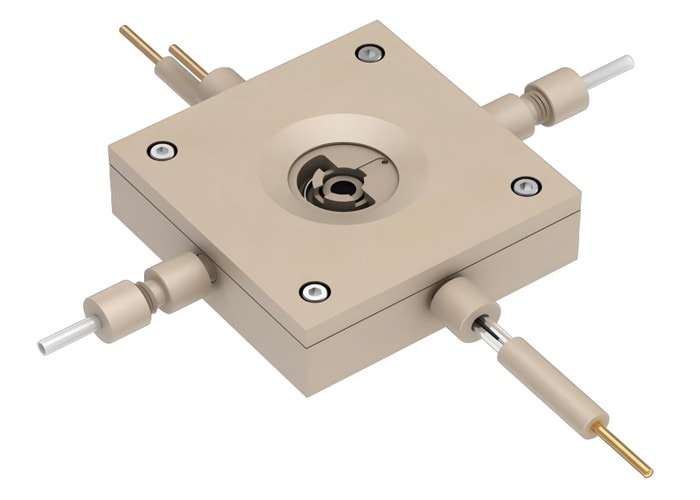
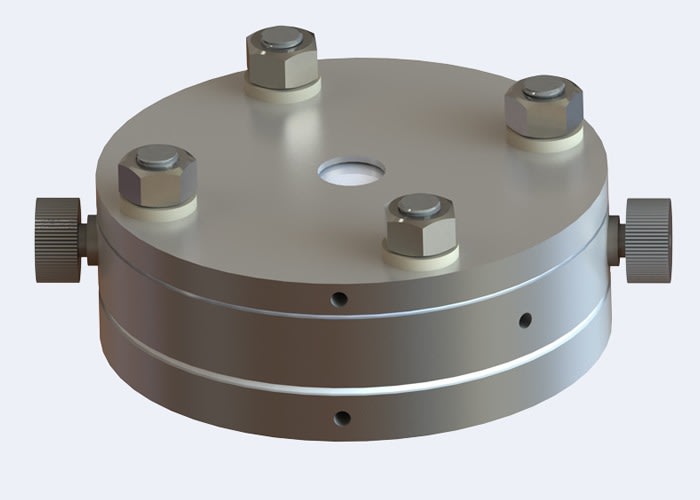
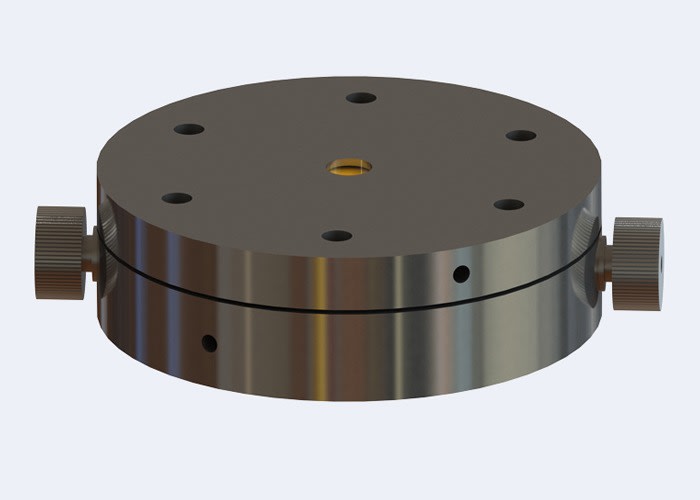
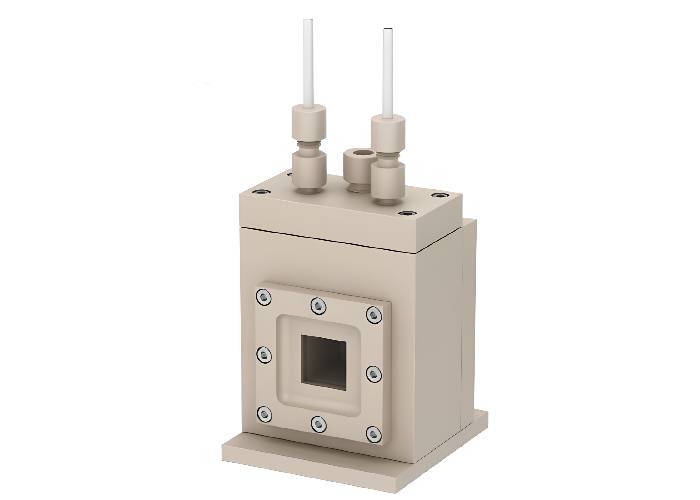
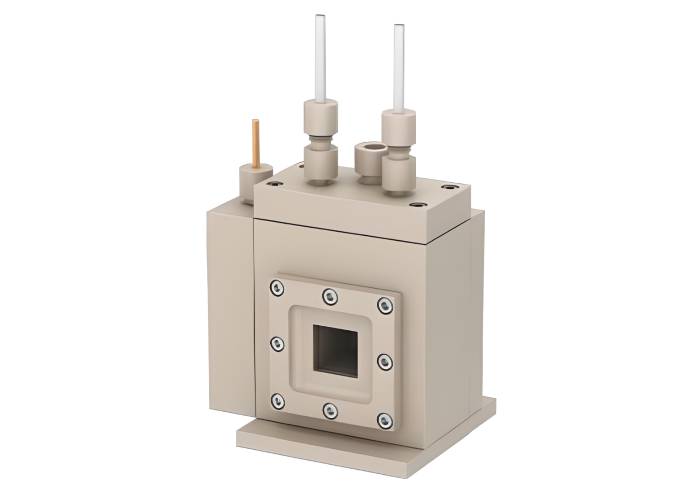
Gas-phase in-situ XAS reaction cell with PEEK body
Gas-controlled in-situ XAS for active-state catalyst studies
The Gas-Phase In-Situ XAS Reaction Cell (XAGC) is purpose-built for synchrotron X-ray Absorption Spectroscopy (XAS/XAFS), enabling researchers to track oxidation state, coordination environment, and local structure of catalytic materials under controlled gas atmospheres. By combining a sealed reaction environment with X-ray-transparent windowing, the cell supports operando-style studies where surface chemistry and electronic structure can be monitored while reaction conditions are varied.
Working principle and configuration
The cell maintains gas tightness via dedicated inlet and outlet ports, allowing purge, continuous flow, or atmosphere switching (for example inert → reactive gases) during measurement. It can be configured as a two-electrode or three-electrode setup for electrochemical in-situ analysis, supporting tailored electrode designs for specific research goals.
Key features and materials
- Gas inlet/outlet ports for controlled atmospheres and stable sealing during reactions
- PEEK main body for chemical resistance and laboratory robustness
- Kapton film optical/X-ray window (user-supplied) for beamline compatibility
- Customisable internal volume to suit electrode size, catalyst loading, and flow requirements
- Customisable electrodes, with a specially customised working electrode option
- Fast assembly and easy cleaning, supporting high-throughput experimental workflows
Typical applications
- Gas-phase catalyst characterisation (redox cycling, adsorption/desorption studies)
- Electrocatalysis under gas feeds (e.g., CO₂ reduction, ORR/OER-related mechanistic work)
- Materials screening where controlled atmosphere + in-situ spectroscopy is essential
Why ScienceGears
ScienceGears supports Australian and New Zealand researchers with practical instrument integration advice—linking in-situ XAS workflows to complementary platforms such as potentiostats, electrochemical cells, and spectroscopy accessories, to help you build a coherent operando measurement setup from gas handling through to electrochemical control.
Resources & Downloads
Everything you need to get started
Electrochemical Impedance Spectroscopy (EIS): Core Concepts for Confident Understanding
Squidstat - Admiral
Customer Reviews
Related Product
Explore our precision instruments designed for electrochemical research and energy applications









Still Wondering About Something?
Explore our FAQ for fast, clear answers to the most common questions—available 24/7.