
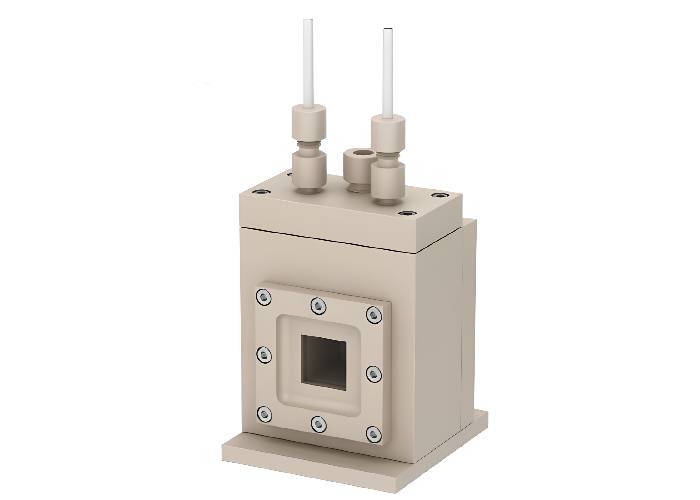
In-Situ X-ray Absorption Spectroscopy Reaction Cell (XARC) — Single-Cell
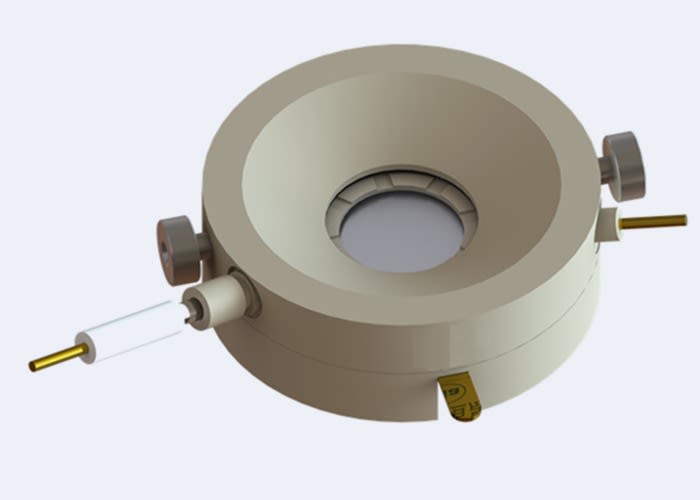
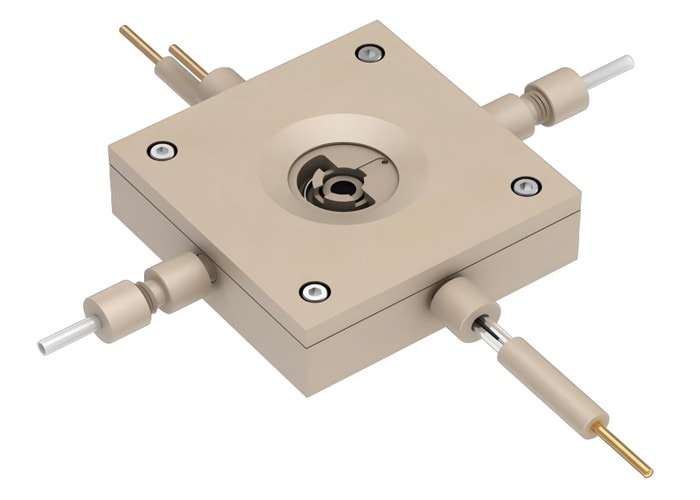
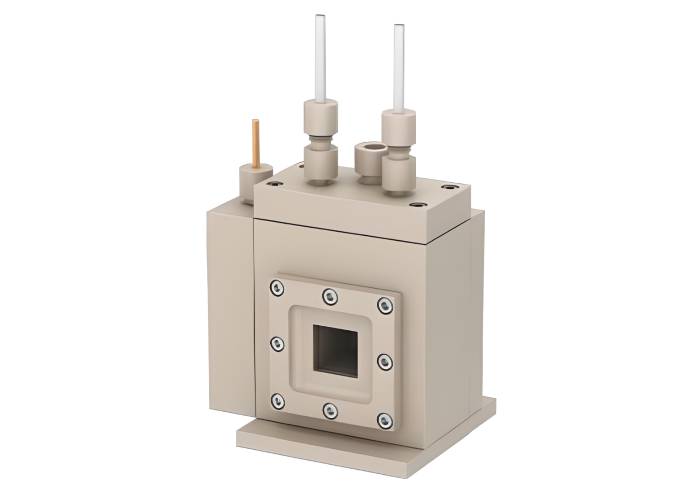
Single-cell in-situ XAS electrochemical reactor with PEEK body
Operando electrochemistry for synchrotron XAS
The In-Situ XAS Reaction Cell (XARC) — Single-Cell is a compact electrochemical reactor designed for synchrotron X-ray Absorption Spectroscopy, enabling time-resolved XANES/EXAFS measurements while the electrode is under electrochemical control. During operation, the sample at the working electrode is probed through an X-ray-transparent window, allowing researchers to track oxidation state, local coordination environment, and reaction intermediates under realistic potential and atmosphere conditions.
Design and key features
Built around a chemically resistant PEEK cell body, the reactor supports robust electrochemistry in challenging electrolytes and catalyst environments. Kapton film windows (user-supplied) provide high X-ray transmission while maintaining sealing integrity. Integrated gas ports allow controlled atmospheres for operando studies.
Highlights
- Single-cell architecture for streamlined beamline setup and alignment
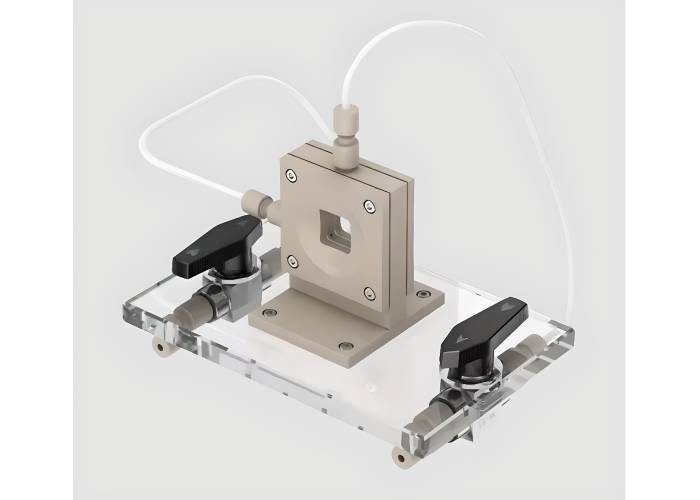
- Gas inlet/outlet ports for inert, oxidising, or reducing environments
- Configurable 2-electrode or 3-electrode operation
- Customisable working electrode geometry; reference/counter options can be matched to your system
- Modular build for rapid assembly, disassembly, and cleaning
- Customisable internal volume to suit electrolyte volume and experimental constraints
Compatibility and typical use cases
This cell interfaces naturally with standard potentiostats/galvanostats for precise potential/current control and can complement other operando platforms (for example, Raman spectroelectrochemistry cells or battery cyclers for correlated electrochemical–structural workflows).
Common applications include electrocatalysis (OER/ORR/CO₂RR), corrosion and passivation studies, transition-metal redox tracking, and catalyst stability investigations.
Why source through ScienceGears (AU/NZ)
ScienceGears supports researchers across Australia and New Zealand with local technical guidance, configuration advice for beamline compatibility, and fast coordination of related electrochemistry and spectroscopy instrumentation to streamline complete operando measurement setups.
Resources & Downloads
Everything you need to get started
Electrochemical Impedance Spectroscopy (EIS): Core Concepts for Confident Understanding
Squidstat - Admiral
Customer Reviews
Related Product
Explore our precision instruments designed for electrochemical research and energy applications









Still Wondering About Something?
Explore our FAQ for fast, clear answers to the most common questions—available 24/7.