
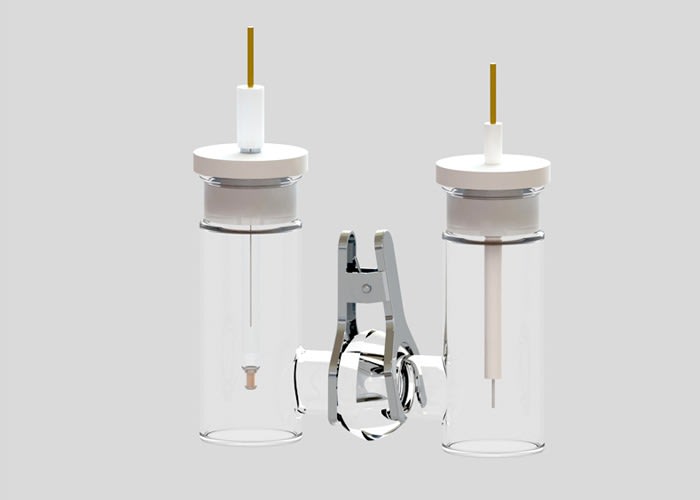
H-type Membrane Cell, unsealed
Open-Access Dual-Compartment Glass Membrane Cell
Open-access membrane-separated electrochemistry
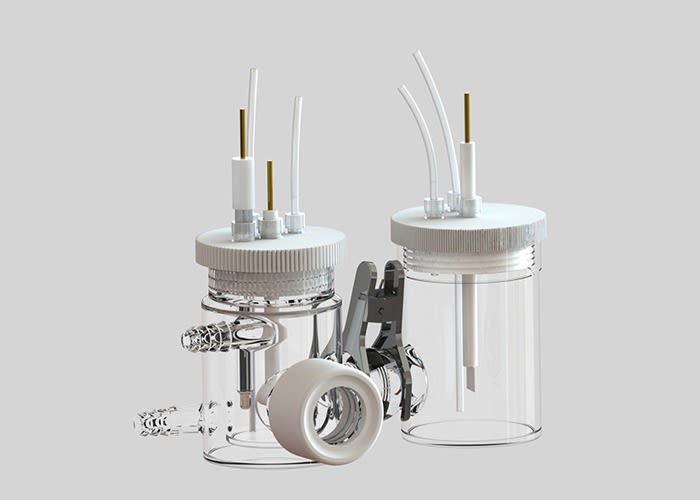
The H-Type Membrane Cell (unsealed) is a dual-compartment electrochemical reactor designed to physically separate anodic and cathodic reactions while maintaining ionic conductivity through a replaceable ion-exchange membrane. Two borosilicate glass chambers are joined at a central membrane interface, allowing ions (e.g., H⁺, OH⁻, supporting electrolyte ions) to migrate to maintain charge balance, while limiting product crossover between half-cells. This architecture is widely used when the two half-reactions require different electrolytes, catalysts, pH conditions, or product collection workflows.
How it works
In typical three-electrode operation, the working and reference electrodes are placed in the same compartment to minimise uncompensated resistance (iR drop), while the counter electrode is housed in the opposite chamber. The membrane (user-selectable: cation-exchange, anion-exchange, bipolar, porous separator) is clamped between the chambers and can be replaced quickly for comparative testing.
Key features and specifications
- Material set: borosilicate glass body with chemically resistant polymer sealing/fixtures (typ. PTFE/PP components, elastomer O-rings)
- Configurable volumes: 20 mL to 250 mL per chamber options to match screening vs extended testing
- Membrane flexibility: supports common research membranes (e.g., Nafion™-type PEMs, AEMs, BPMs) and separators
- Open (unsealed) format: rapid electrode swaps, easy sampling, quick electrolyte changes, and straightforward cleaning
Typical applications
- CO₂ reduction (CO2RR) and selective electrosynthesis where product crossover must be minimised
- Water electrolysis method development and catalyst screening
- Membrane performance studies: crossover, selectivity, resistance/conductivity comparisons
- Corrosion, redox mediator studies, and educational demonstrations
Why configure it through ScienceGears
ScienceGears supports AU & NZ researchers with practical configuration help—matching chamber volume, membrane type, electrodes, and accessories—and integrating the cell into your workflow with potentiostats, EIS-capable systems, electrodes, and related electrochemical cell options (including sealed and jacketed variants for controlled atmosphere or temperature work).
For further information or to discuss your specific research requirements, please contact us.
Technical Specifications
Precision engineering for accurate measurements
| Capacit | 20ML, 30ml, 50ml, 100ml, 150ml, 200ml, 250ml |
|---|
Resources & Downloads
Everything you need to get started

Electrochemical Impedance Spectroscopy (EIS): Core Concepts for Confident Understanding
Squidstat - Admiral
Customer Reviews
Related Product
Explore our precision instruments designed for electrochemical research and energy applications
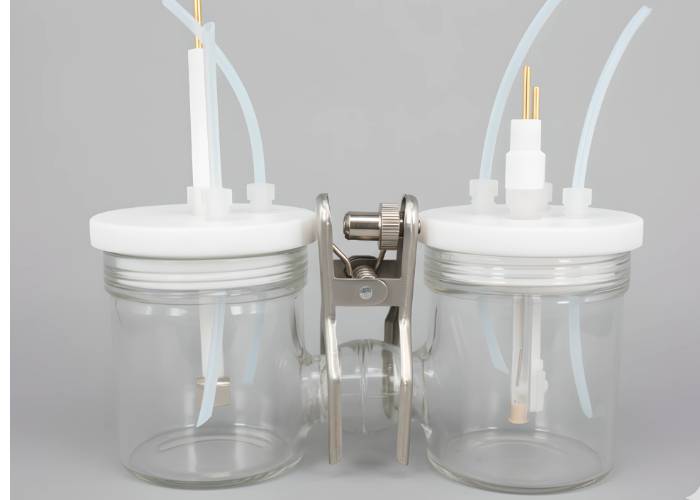
Sealed H-Cell – Gas-Tight Dual-Compartment Electrochemical Cell
- Capacity: 20ML, 30ml, 50ml, 100ml, 150ml, 200ml, 250ml
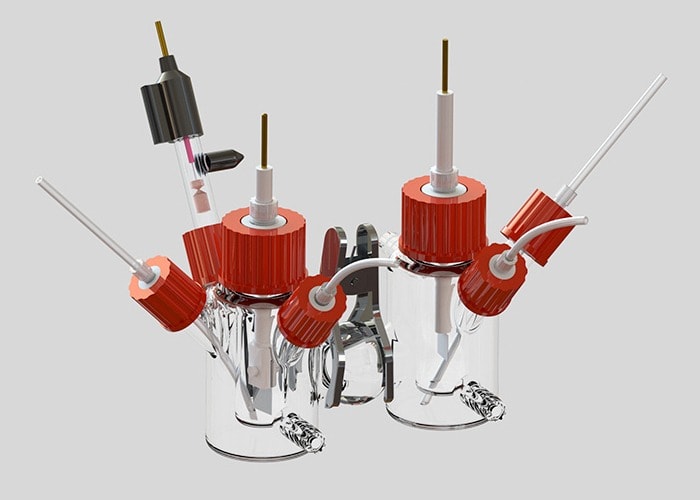
Jacketed H-Type Membrane Cell (Temperature-Controlled Dual-Compartment Electrochemical Cell)
- Capacity: 20ML, 30ml, 50ml, 100ml, 150ml, 200ml, 250ml

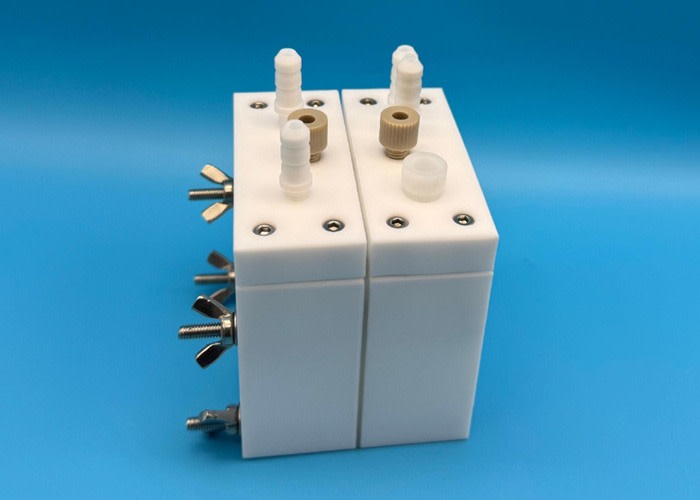
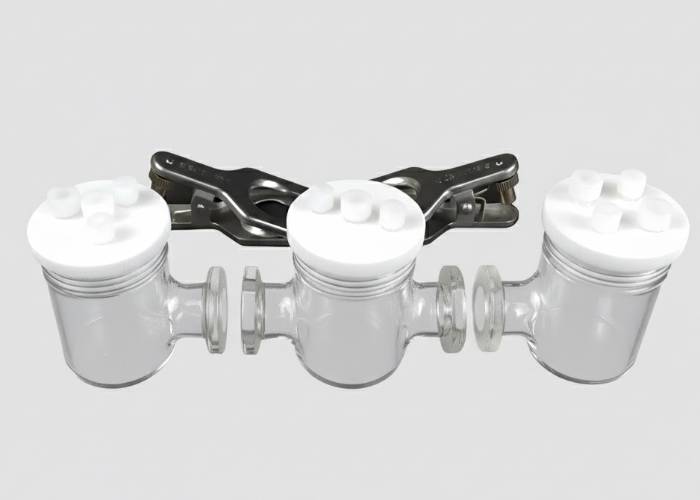
Three-Chamber H-Cell (Triple H-Cell) – Gas-Tight Electrochemical Cell
- Capacity: 20ML, 30ml, 50ml, 100ml, 150ml, 200ml, 250ml

Still Wondering About Something?
Explore our FAQ for fast, clear answers to the most common questions—available 24/7.