
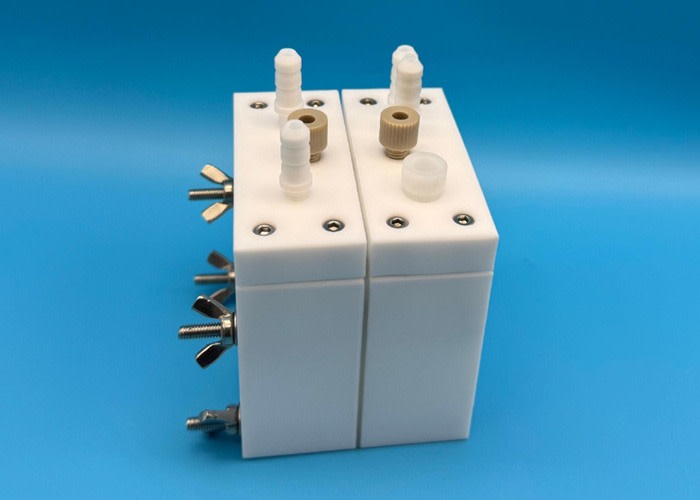
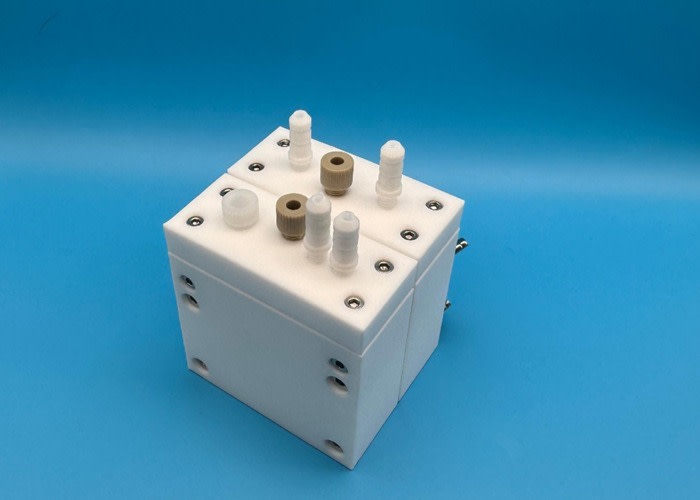
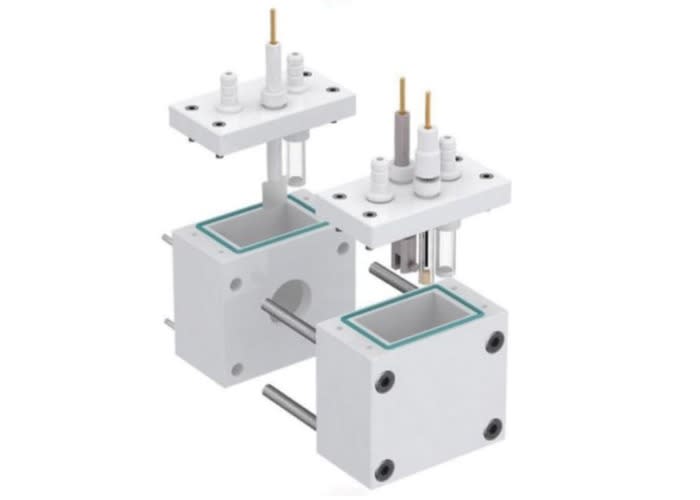
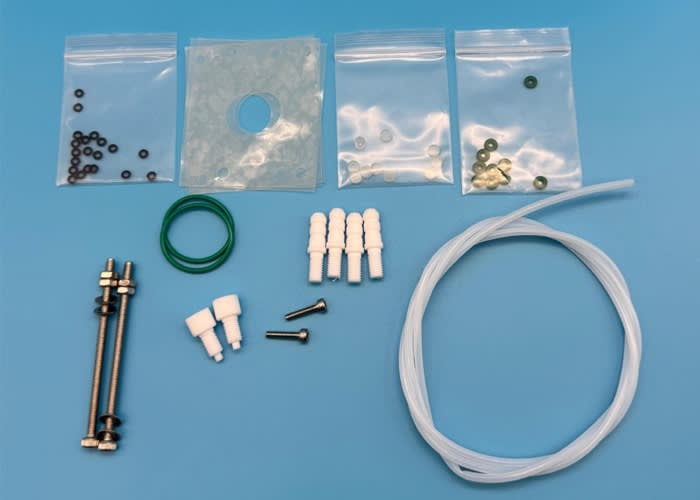
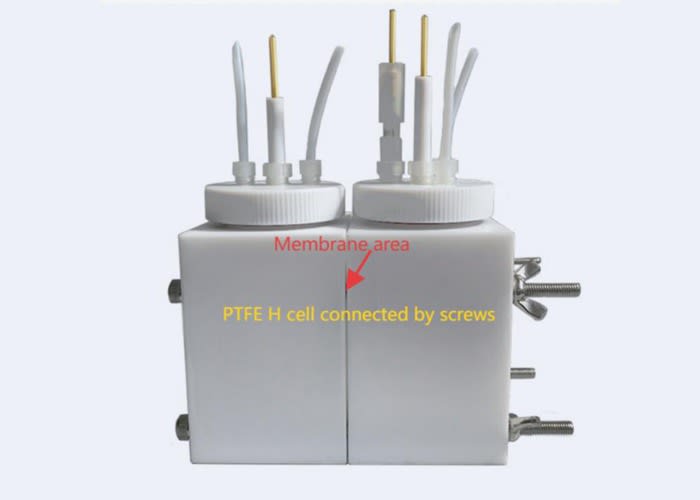
PTFE H-Type Membrane Electrolytic Cell (20–250 mL)
PTFE H-Type Membrane Electrolytic Cell (20–250 mL)
PTFE H-Type Membrane Electrolytic Cell for separated electrolysis
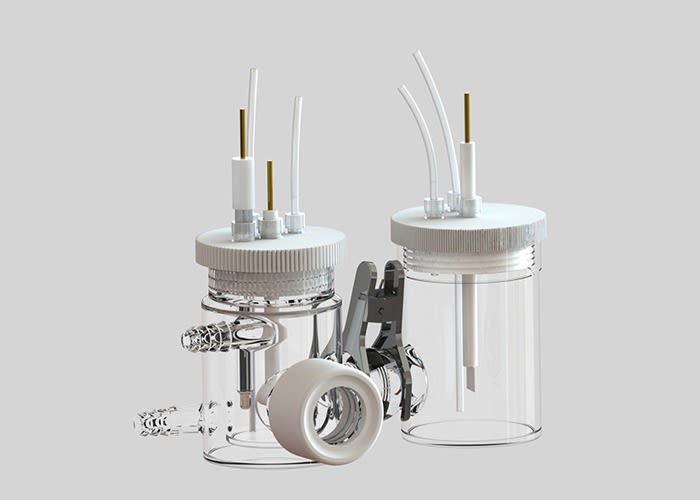
A PTFE H-type membrane electrolytic cell is a two-compartment electrochemical reactor designed to keep anodic and cathodic processes physically separated while still allowing ionic conduction through an ion-exchange membrane. This configuration is widely used when product crossover must be minimised (e.g., gas evolution, electrosynthesis, CO2 reduction), or when the anolyte and catholyte require different compositions or pH.
Working principle
Each half-cell is filled with electrolyte and houses the required electrodes (commonly a three-electrode arrangement on the working side, and a counter electrode on the opposite side). A user-selected membrane (e.g., proton-exchange, anion-exchange, or porous separator) is clamped between the two chambers using O-ring compression, creating a leak-resistant seal while enabling selective ion transport.
Key features and materials
- Full PTFE wetted construction for excellent chemical resistance with many aggressive electrolytes and solvents.
- Exchangeable membrane interface for fast changeover between different separator chemistries and thicknesses.
- Selectable chamber volumes (20–250 mL) to match catalyst loading, gas evolution rate, and analytical sampling needs.
- Electrode and instrument compatibility: designed for standard electrochemistry workflows with potentiostats/galvanostats, reference electrodes, gas purging, and sampling (depending on your port configuration).
Typical research applications
- CO2 reduction and product analysis with reduced crossover
- Water electrolysis and catalyst screening
- Membrane screening (PEM/AEM) and separator compatibility studies
- Electrosynthesis requiring isolated anodic/cathodic chemistry
Why source via ScienceGears
ScienceGears supports end-to-end electrochemistry workflows in Australia and New Zealand—helping you pair the right membrane cell with potentiostats, electrodes, and complementary platforms such as Raman-SEC cells, battery cyclers, and other research instruments for integrated experimentation.
For further information or to discuss your specific research requirements, please contact us.
Technical Specifications
Precision engineering for accurate measurements
| Capacity | 20ML, 30ml, 50ml, 100ml, 150ml, 200ml, 250ml |
|---|
Resources & Downloads
Everything you need to get started

Electrochemical Impedance Spectroscopy (EIS): Core Concepts for Confident Understanding
Squidstat - Admiral
Customer Reviews
Related Product
Explore our precision instruments designed for electrochemical research and energy applications
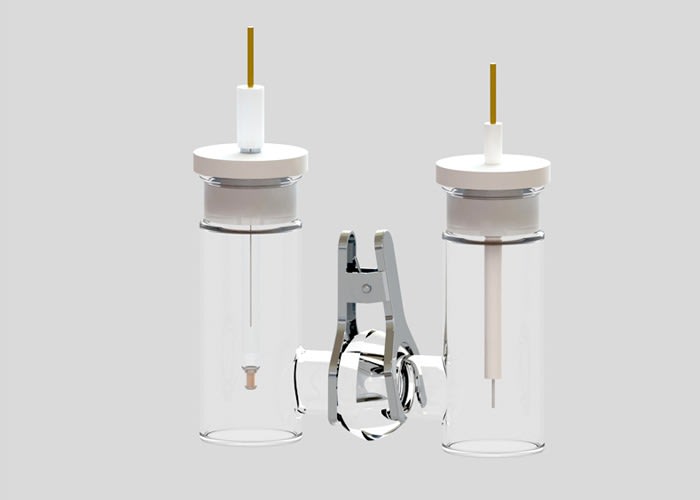
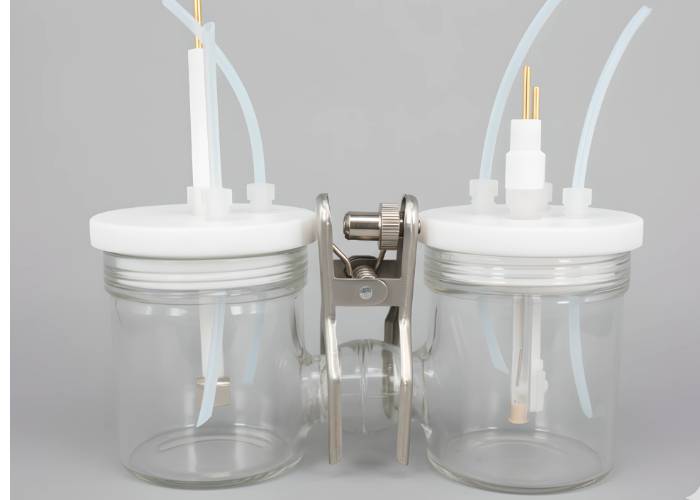
Sealed H-Cell – Gas-Tight Dual-Compartment Electrochemical Cell
- Capacity: 20ML, 30ml, 50ml, 100ml, 150ml, 200ml, 250ml
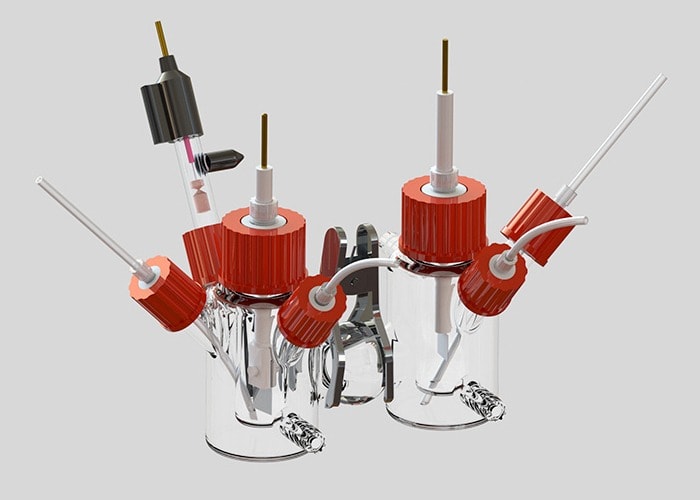
Jacketed H-Type Membrane Cell (Temperature-Controlled Dual-Compartment Electrochemical Cell)
- Capacity: 20ML, 30ml, 50ml, 100ml, 150ml, 200ml, 250ml

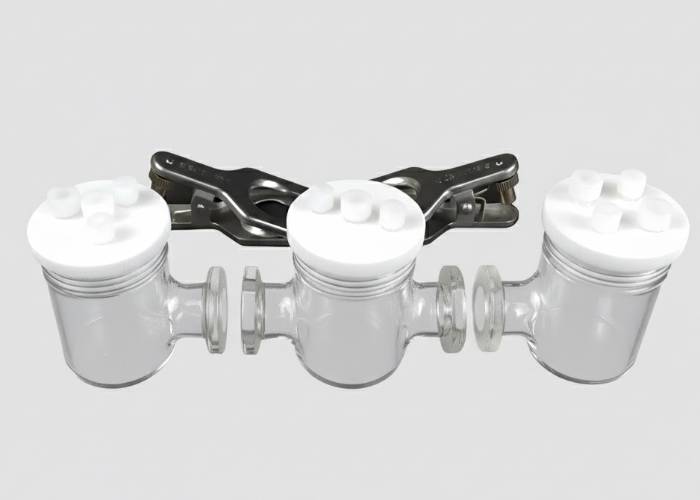
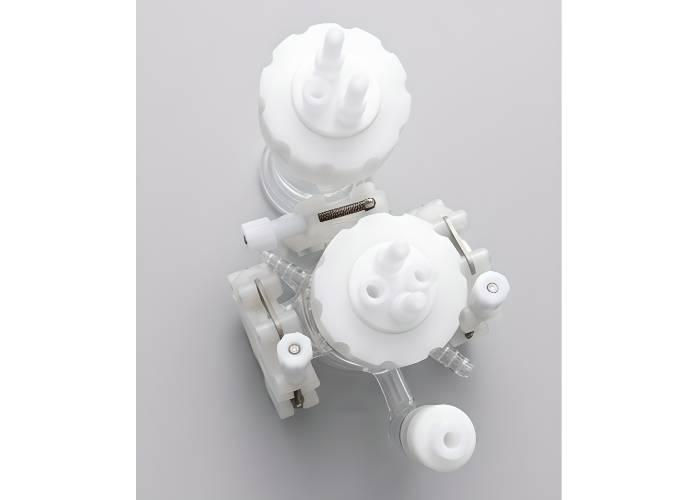
Three-Chamber H-Cell (Triple H-Cell) – Gas-Tight Electrochemical Cell
- Capacity: 20ML, 30ml, 50ml, 100ml, 150ml, 200ml, 250ml

Still Wondering About Something?
Explore our FAQ for fast, clear answers to the most common questions—available 24/7.