

Multi Layer Graphene
510-Multilayer Graphene Conductive Additive (C) Powder
Overview
Multilayer Graphene Conductive Additive (C) Powder is a high-purity graphene material consisting of stacked graphene sheets with excellent electrical conductivity, high specific surface area, and mechanical robustness. In electrochemical systems, multilayer graphene functions as a conductive network former, enhancing electron transport pathways within electrodes and reducing internal resistance during charge–discharge cycling.
Unlike conventional carbon additives, multilayer graphene forms interconnected percolation networks at lower loading levels, enabling improved electrochemical utilisation of active materials while maintaining structural stability.
Key Material Characteristics
This graphene powder supplied New Energy Technology is characterised by controlled layer thickness and lateral dimensions, making it suitable for advanced battery and electrochemical research.
Typical specifications include
- Purity: >95 wt%
- Thickness: 3.4–8 nm (approximately 5–10 graphene layers)
- Lateral size (D): 10–50 µm
- Specific surface area: 100–300 m²/g
- Appearance: Black-brown powder
These properties support efficient electron transport, high surface contact with active materials, and stable dispersion in electrode slurries.
Compatibility and Applications
Multilayer graphene conductive additive is compatible with a wide range of electrochemical systems, including:
- Lithium-ion battery cathodes and anodes
- Silicon-based and composite anodes
- Solid-state and next-generation battery materials
- Supercapacitors and hybrid energy storage devices
- Electrocatalyst supports for fuel cell and electrolyser research
It integrates seamlessly with standard electrode fabrication workflows and is compatible with slurry coating, calendaring, and cell assembly processes.
Why Choose ScienceGears
ScienceGears supplies research-grade graphene materials optimised for electrochemical performance and reproducibility. Local technical support in Australia and New Zealand ensures researchers receive guidance on material selection, electrode formulation, and integration with complementary tools such as potentiostats, battery cyclers, and in-situ electrochemical characterisation systems.
Resources & Downloads
Everything you need to get started
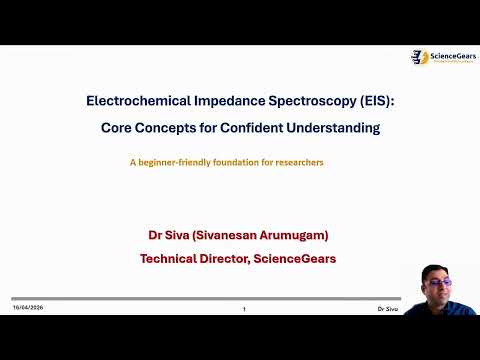
Electrochemical Impedance Spectroscopy (EIS): Core Concepts for Confident Understanding
Squidstat - Admiral
Customer Reviews
Related Product
Explore our precision instruments designed for electrochemical research and energy applications


Still Wondering About Something?
Explore our FAQ for fast, clear answers to the most common questions—available 24/7.