
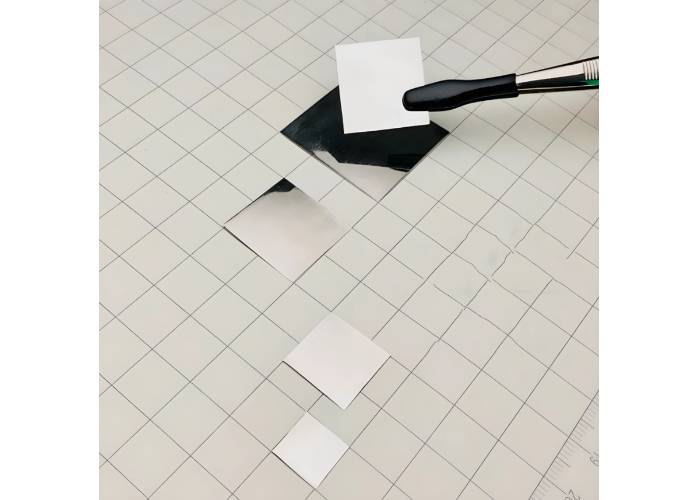

Platinum Plate Sheet
Premium platinum plate working electrodes feature durable rectangular geometries (99.99% purity) for electrochemical applications. Multiple dimensional options available from 10×10×0.1mm to 30×30×0.5mm.
Overview
The Platinum Plate / Sheet Electrode is a high-purity, flat metallic electrode designed for demanding electrochemistry, electrolysis, corrosion, and materials research. In operation, the platinum surface serves as the electron-transfer interface between the external circuit and the electrolyte. Depending on the experiment, it can function as a working electrode, counter electrode, or stable conductive substrate for catalyst coatings and custom cell assemblies.
Working Principle and Material Advantages
Platinum is widely selected in electrochemical research because it combines excellent electrical conductivity with strong resistance to oxidation, high thermal stability, and broad chemical durability. Precision-rolled platinum sheet provides a uniform, reproducible surface that helps support consistent current distribution and repeatable electrochemical behaviour. It is particularly useful where researchers require a noble-metal electrode with low contamination risk and long service life. As with all platinum electrodes, users should note that platinum is not universally inert and may catalyse certain reactions, so electrode selection should always match the chemistry under study.
Key Features and Specifications
- High-purity platinum construction, commonly specified up to 99.99%
- Flat plate or sheet geometry for reliable electrode exposure
- Consistent thickness and surface quality for reproducible testing
- Typical rectangular formats for laboratory electrochemistry
- Custom dimensions and thicknesses available on request
- Compatible with electrode clamps, holders, lead connections, and bespoke cell designs
Compatibility and Applications
Suitable for use with potentiostats, galvanostats, electrochemical cells, and custom reactor setups. Common applications include:
- Cyclic voltammetry and chronoamperometry
- Counter electrode use in three-electrode systems
- Electrocatalysis and water splitting research
- Corrosion and materials testing
- Sensor development and analytical electrochemistry
- Battery, fuel cell, and general energy research
Why Choose ScienceGears
ScienceGears supports researchers across Australia and New Zealand with technically informed product selection, custom sizing options, and integration support with related platforms such as potentiostats, electrochemical cells, spectroscopy accessories, and energy research instruments.
Resources & Downloads
Everything you need to get started

Electrochemical Impedance Spectroscopy (EIS): Core Concepts for Confident Understanding
Squidstat - Admiral
Customer Reviews
Related Product
Explore our precision instruments designed for electrochemical research and energy applications

Carbon Paste Electrode
- Electrode Material: Carbon Paste
- Available Diameter (mm): 2, 3 and 5
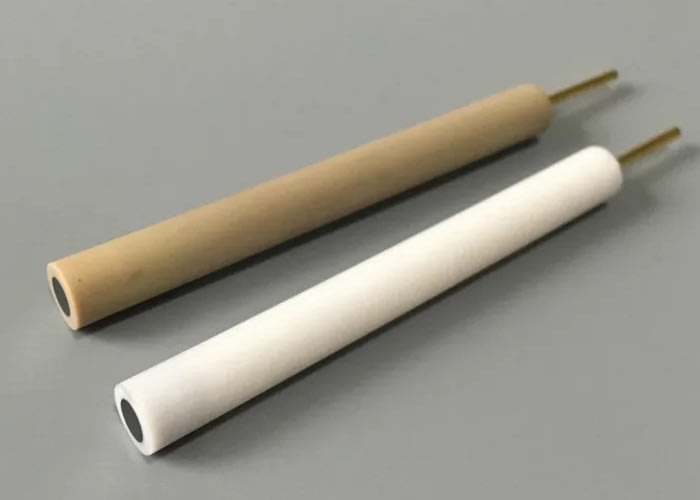
Disc Working Electrodes (Glassy Carbon, Noble Metals & Metal Discs)
- Electrode Material: Available Diameter (mm)
- Glassy Carbon : 1, 2, 3, 4, 5, 6, 7, 8, 9, 10, 11.28, 12, 15 and 20
- Gold: 0.5, 1, 2, 3, 4, 5 and 6
- Platinum: 0.5, 1, 2, 3, 4, 5 and 6

L-Type Working Electrodes
- Electrode Material: Available Diameter (mm)
- Glassy Carbon: 2, 3 and 5
- Gold: 2, 3 and 5
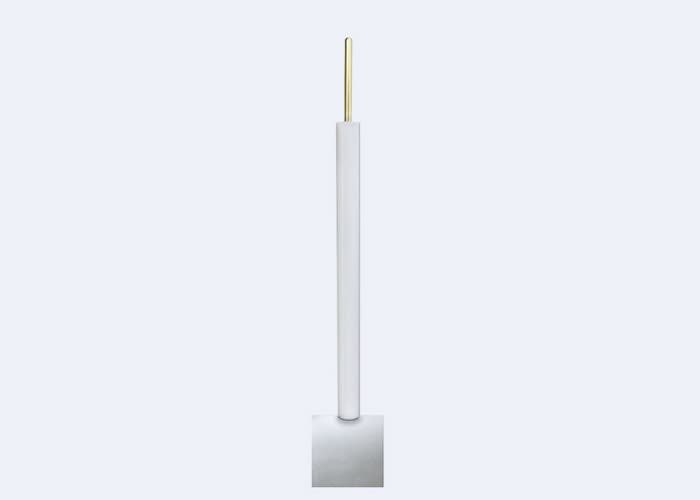
Plate Electrodes
- Electrode Material: Available Diameter (mm)
- Glassy Carbon: 10 x 10 x 2
- Glassy Carbon: 10 x 10 x 2
- Platinum: 10×10×0.1
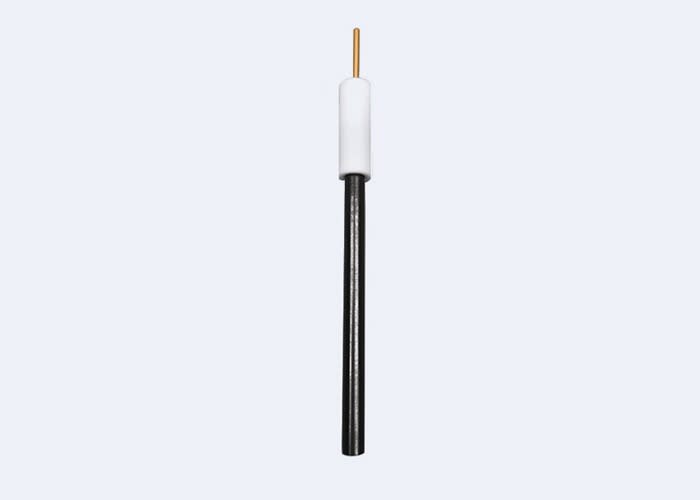
Rod Electrodes
- Electrode Material: Available Diameter (mm)
- Glassy Carbon: 3, 4, 5 and 6
- Graphite: 3, 4, 5 and 6


Still Wondering About Something?
Explore our FAQ for fast, clear answers to the most common questions—available 24/7.