

Graphite Rod Counter Electrode for Electrochemical Research
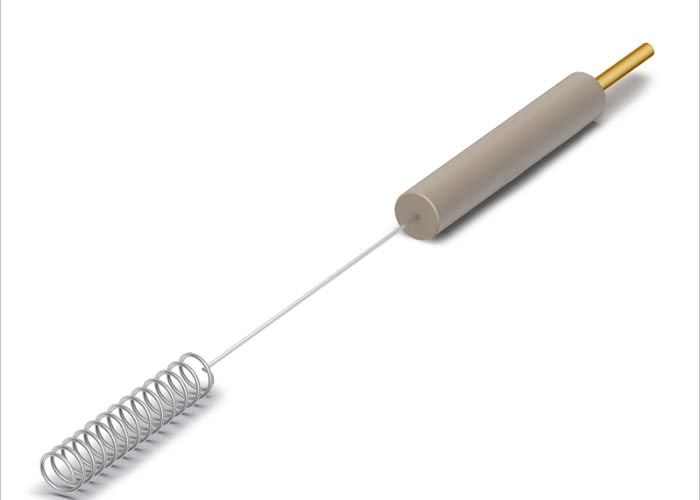
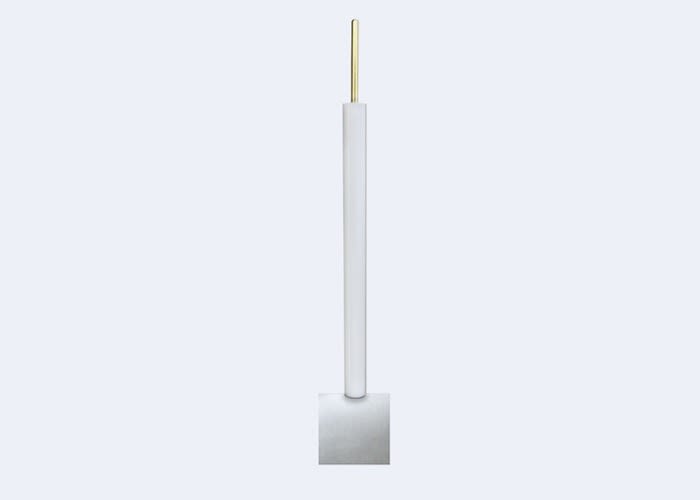
A graphite rod counter electrode is used as the auxiliary electrode in an electrochemical cell, where it completes the electrical circuit and carries the current required to support reactions at the working electrode. In practical electrochemistry, this helps maintain stable operation during techniques such as cyclic voltammetry, chronoamperometry, bulk electrolysis and general electrode evaluation. Graphite is widely selected as a counter electrode material because it offers high electrical conductivity, good chemical stability and a lower cost compared with noble metal alternatives.
Key Features and Construction
This ScienceGears graphite rod counter electrode is designed for reliable laboratory use and straightforward integration into standard electrochemical cells and potentiostat-based setups.
- Graphite core diameter options: ø3, ø4, ø5 or ø6 mm
- Inner core material: graphite
- Jacket material: PTFE
- Brass rod length: 20 mm
- Jacket length: 30 mm
- Total electrode length: 130 mm
- Custom versions available in copper, stainless steel, glassy carbon, nickel and other materials on request
The PTFE jacket improves insulation, handling and chemical compatibility, while the exposed graphite section provides a robust conductive surface for current transfer in aqueous and many routine electrochemical environments.
Compatibility and Applications
This electrode is suitable for use with a wide range of electrochemistry instruments and accessories, including potentiostats/galvanostats, corrosion cells, H-cells, three-electrode cells and battery research setups. Typical applications include:
- General electrochemical analysis
- Corrosion and materials testing
- Bulk electrolysis and electrosynthesis
- Hydrogen evolution and electrocatalysis studies
- Battery and energy storage research
Why Choose ScienceGears
ScienceGears supports researchers across Australia and New Zealand with scientifically informed product selection, practical customisation and integration across related categories such as potentiostats, electrochemical cells, spectroelectrochemistry tools and energy test stations. For laboratories needing a dependable and economical counter electrode, this graphite rod design provides a practical balance of conductivity, versatility and custom build options.
Resources & Downloads
Everything you need to get started

Electrochemical Impedance Spectroscopy (EIS): Core Concepts for Confident Understanding
Squidstat - Admiral
Customer Reviews
Related Product
Explore our precision instruments designed for electrochemical research and energy applications


Still Wondering About Something?
Explore our FAQ for fast, clear answers to the most common questions—available 24/7.