


Optically Accessible CO₂RR Gas Diffusion Electrode (GDE) Flow Cell
Optically Accessible CO₂RR Gas Diffusion Electrode (GDE) Flow Cell
Overview
The Optically Accessible CO₂RR GDE Flow Cell is a compact flow-electrolysis platform designed to evaluate CO₂ reduction catalysts under high mass-transfer conditions. Unlike static H-type cells, this architecture directly feeds CO₂ to the rear of a gas diffusion electrode (GDE) while a circulating catholyte contacts the catalyst layer, enabling higher current densities and more realistic electrolyser-style testing.
How it works
CO₂ flows through an S-shaped gas channel behind the GDE to improve gas distribution and support stable operation. The catholyte is circulated through a dedicated chamber using a peristaltic pump, while the anolyte is housed in a separate chamber across an ion-exchange membrane. Reaction products can be swept from the gas side towards downstream analysis (e.g., online GC), while liquid products are collected from the electrolyte loop.
Key features and specifications
- Defined active area: 4 cm² (20 × 20 mm square)
- Chemically resistant body: precision-machined PEEK construction, with an optically accessible window option (transparent front section) for visual inspection of flow behaviour and alignment
- Reference electrode port: accepts Ø4 mm reference electrodes (salt-bridge options support alkaline electrolytes)
- Low-resistance electrical contact: adhesive-backed copper foil current collector (thin profile to maintain sealing)
- Quick assembly and cleaning: modular plates, replaceable gaskets, and straightforward disassembly
- Customisable geometry: electrode plate thickness and selected dimensions can be adapted to reduce internal resistance and suit specific stacks
Compatibility and applications
This flow cell is compatible with major potentiostat brands and is ideal for:
- CO₂RR catalyst screening on GDEs at elevated current density
- Selectivity studies (C₁ vs C₂+ products) under controlled local environment
- Electrolyser-relevant benchmarking with circulating electrolytes
- Comparative studies of membranes, catalysts, and gas-management strategies
Why source through ScienceGears
ScienceGears supports Australian and New Zealand labs with end-to-end CO₂RR test setups, including compatible potentiostats, gas handling components, pumps/tubing, and related electrochemical cell hardware for reliable, repeatable measurements.
Resources & Downloads
Everything you need to get started

Electrochemical Impedance Spectroscopy (EIS): Core Concepts for Confident Understanding
Squidstat - Admiral
Customer Reviews
Related Product
Explore our precision instruments designed for electrochemical research and energy applications
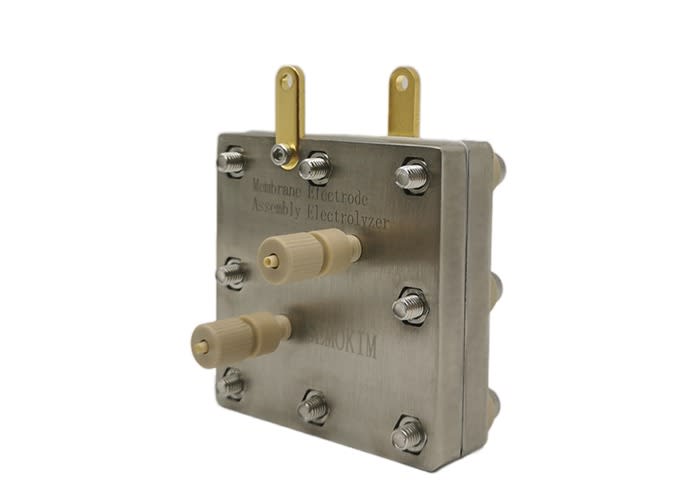
Metal Bipolar Plate MEA Electrolysis Test Cell (Ti/Ni/SS)
- Flow channel: 10*10mm; 20*20mm; 30*30mm; 50*50mm, or other customized flow field size.
- Cell material: High-purity titanium or nickel or stainless steel
- Terminal material: Gold-plated Copper

Graphite Bipolar Plate MEA Electrolysis Test Cell
- Single-cell MEA hardware: Flow fields: 10×10 to 1000×1000 mm or customisation available
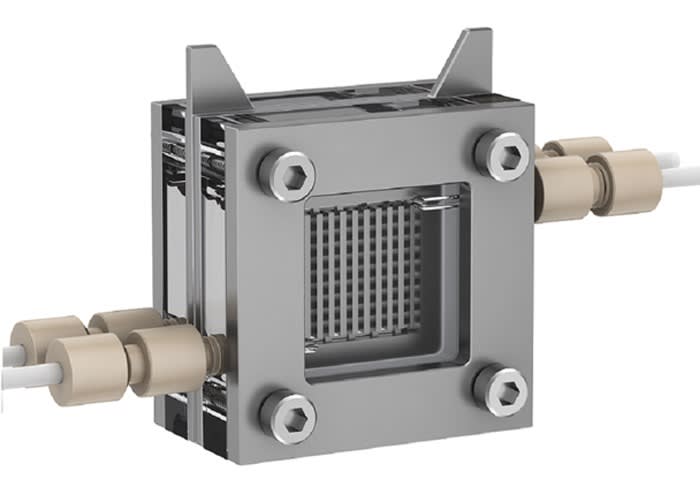
Visual MEA Electrolysis Test Cell
- Flow channel Specification: 10*10mm; 20*20mm; 30*30mm; 50*50mm or other customized flow field size.
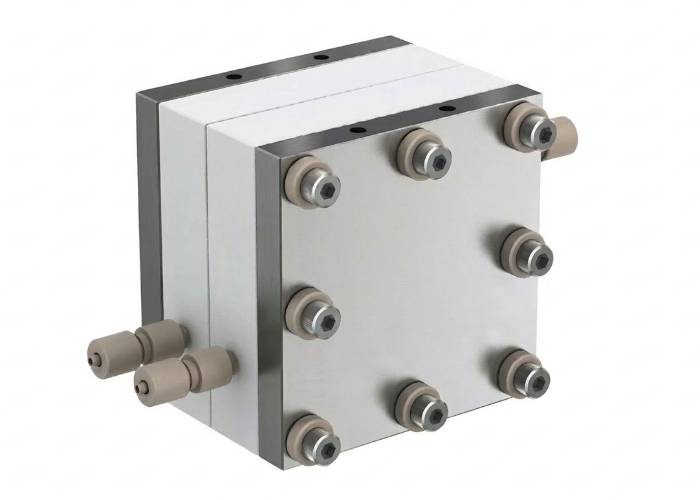
Interchangeable Flow Field MEA Electrolysis Test Cell
- Flow channel Specification: 10*10mm; 20*20mm; 30*30mm; 50*50mm or other customized flow field size.
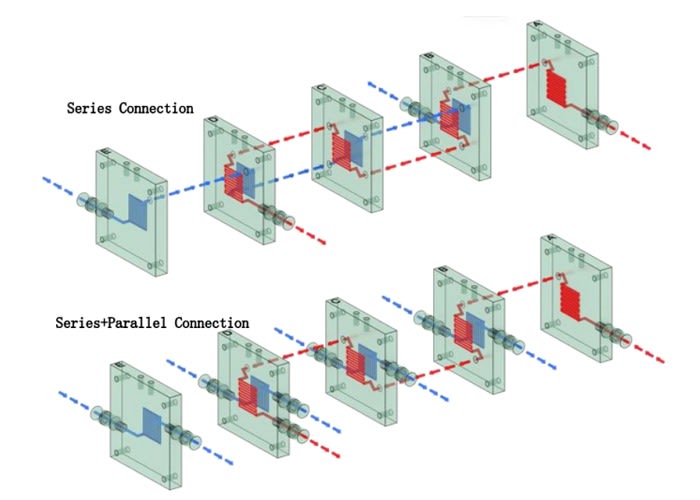
MEA Electrolysis Cell Stack
- Flow channel: 10*10mm; 20*20mm; 30*30mm; 50*50mm, or other customized flow field size.
- Cell material: High-purity titanium or nickel or stainless steel plate.
- Terminal material: Gold-plated Copper
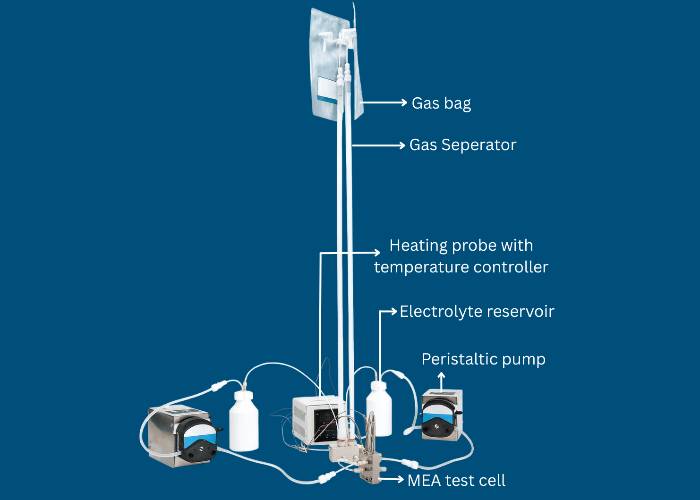
Turnkey MEA Electrolysis Test Cell Package
- All components included : - cell + fittings + tubing + auxiliaries
Still Wondering About Something?
Explore our FAQ for fast, clear answers to the most common questions—available 24/7.